More from a Victorian Commonplace Book

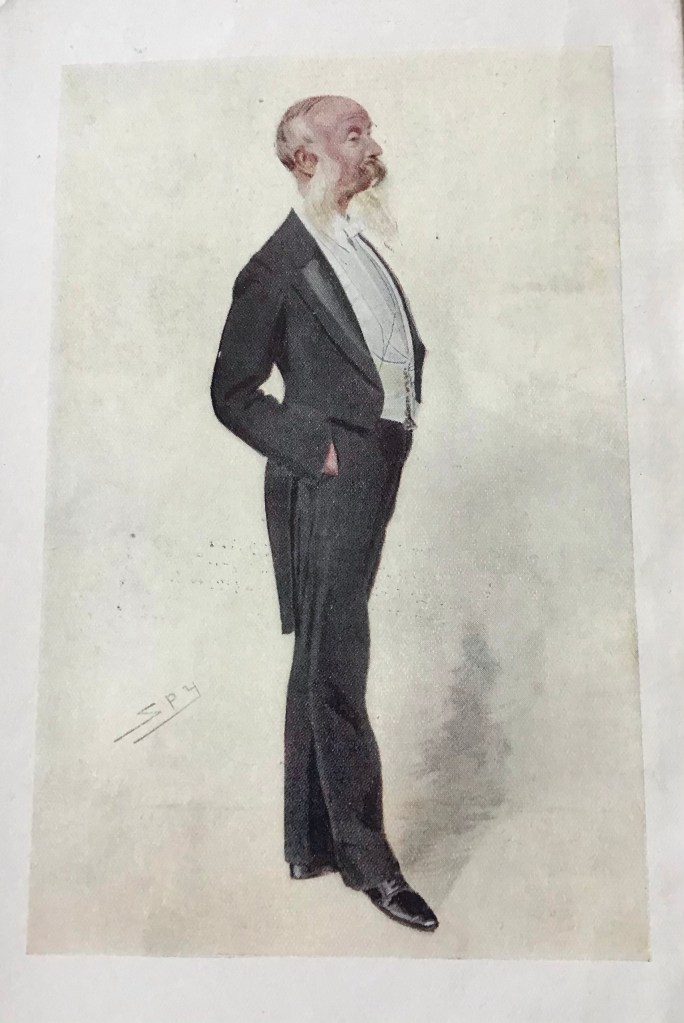
Sir James Crichton-Browne, cartoon by Spy

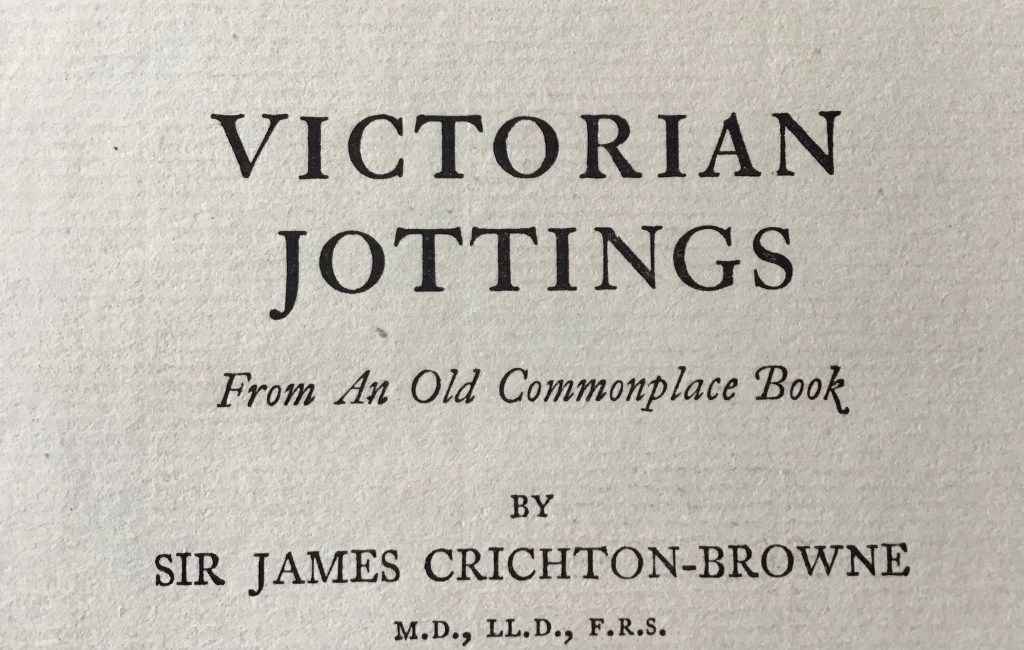
I posted earlier about commonplace books and here’s a little more from the commonplace book of Sir James Crichton-Browne. Crichton-Browne’s book is an eclectic mix – many of the anecdotes coming from his career in medicine and medical administration. But one of the great pleasures of commonplace books are captured moments which take us straight back to the moments their authors were present to observe.
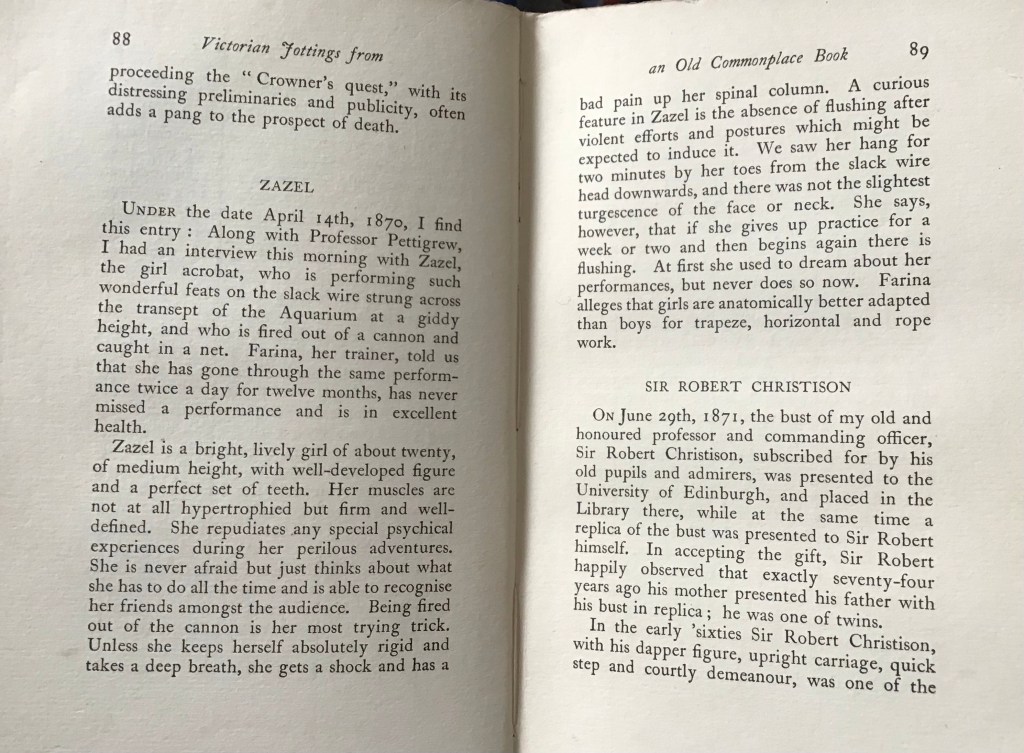
An extraordinary performer…

Although Crichton-Browne has muddled his dates I think because Zazel was nowhere near twenty years old in 1870 but it’s a fascinating glimpse of a genuinely extraordinary performer. Rosa Matilda Richter (1863-1937), stage name Zazel, was an aerial performer and acrobat who in 1877 become celebrated for being fired out of a cannon at the Royal Aquarium and Winter Garden in Westminster – possibly the first performance of its type.

The Royal Aquarium and Winter Garden was an extraordinary source of spectacle at this time. It had opened the year before Zazel’s debut in 1876 and which had composer Arthur Sullivan among his directors. It has been intended originally as offering the most high-minded entertainment and cultural activity. A year later the Royal Aquarium had had to change its ideas as its original plans were unsuccessful and instead turned to a menu of music hall and circus turns of the most dangerous sort.

An advertisement in The Globe of Monday June 4th 1877 shows how varied the attractions were. Punch and Judy shows, performing fleas, picture galleries, aquarium tanks where white sharks were expected, snake charmers, conjuror, the Mountaineers of the Apennines, Lieutenant Cole and his Merry Folk, a play by Farquhar in the evening and Zazel.

Zazel was enough of a sensation to need no explanation of her act in the advertisement. She gave two performances at 5.30 pm and 10.30pm.

She went on also to enjoy great success with a high dive and acrobat act. A very remarkable career.
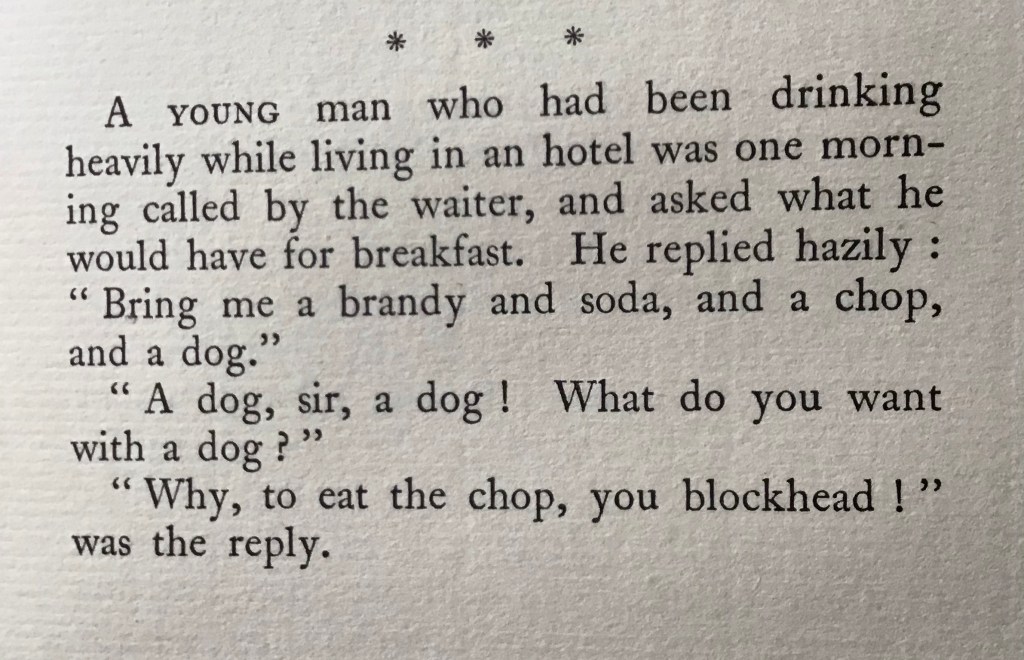
A last story.

Commonplace Books

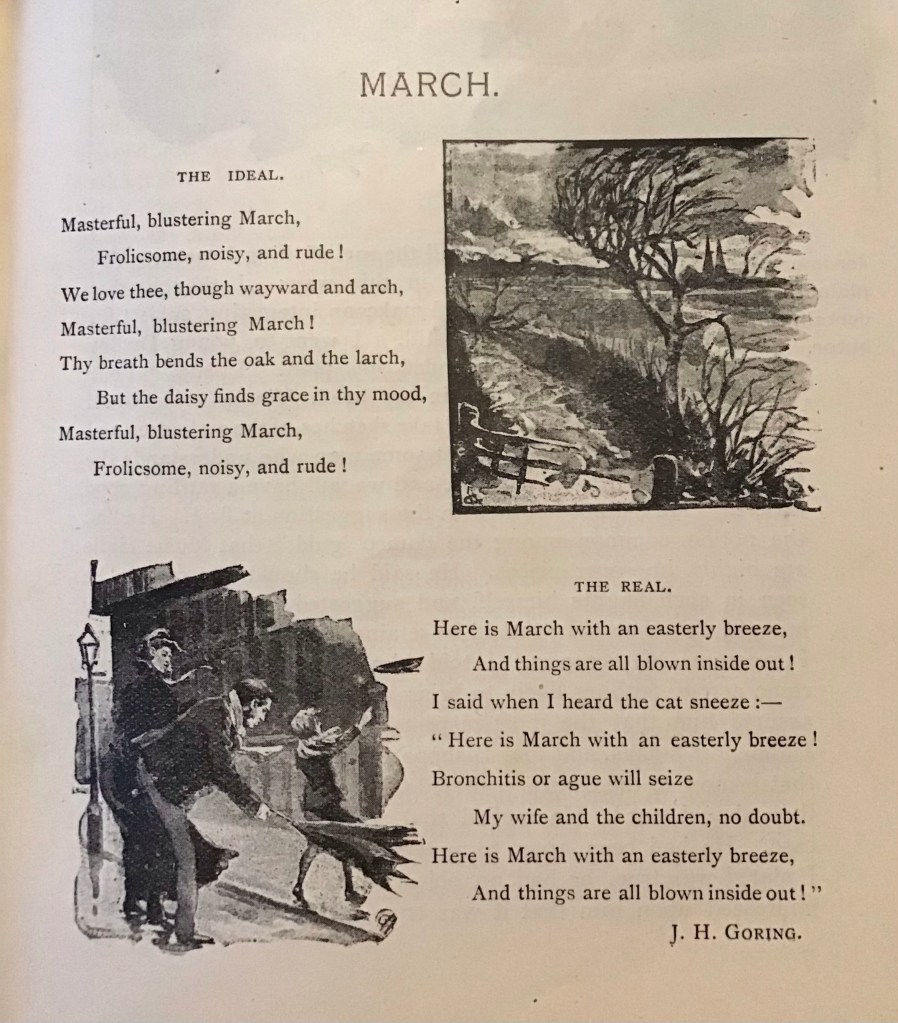
For centuries the commonplace book has been part of literary life. This is what someone’s personal literary storage looked like for many years and they should still give us pause to reflect on what we like to retain and remember from our reading especially what we might want and need to return to. This example is the work of Sir James Crichton-Browne, Scottish psychiatrist and neurologist.

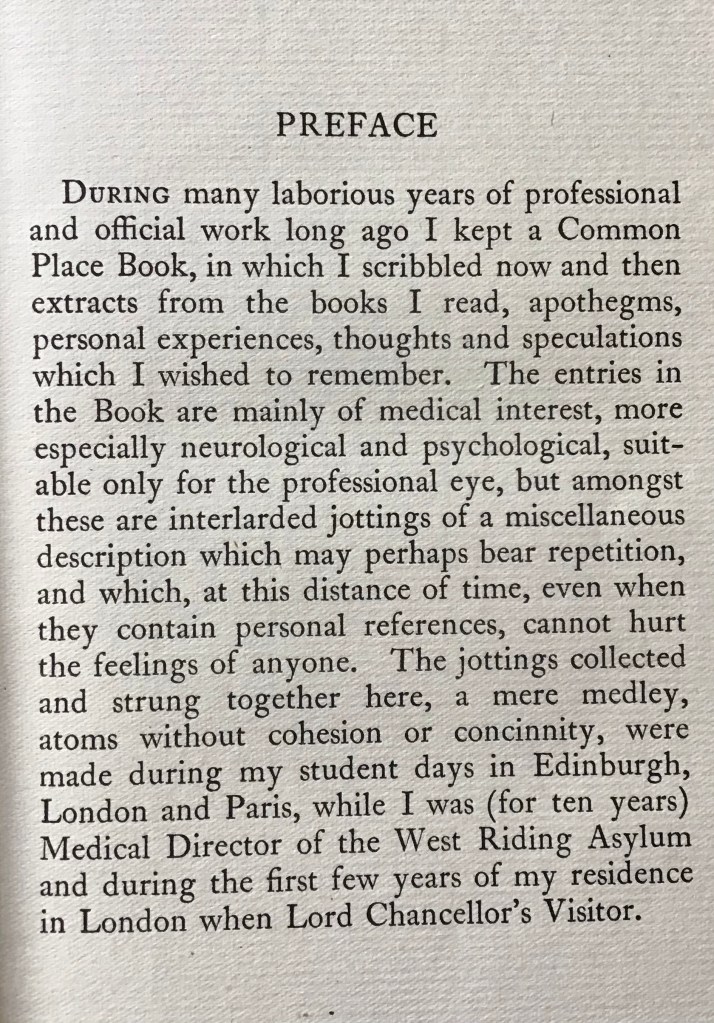
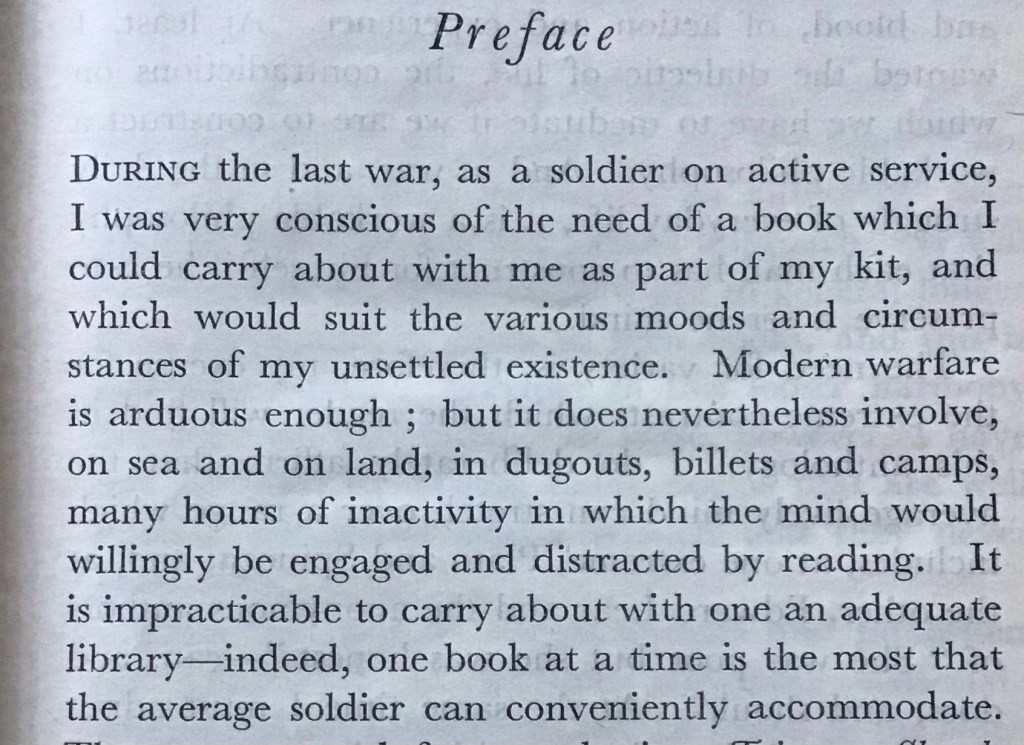
Published in 1926, Crichton-Browne makes it clear what he intended his commonplace book to represent.

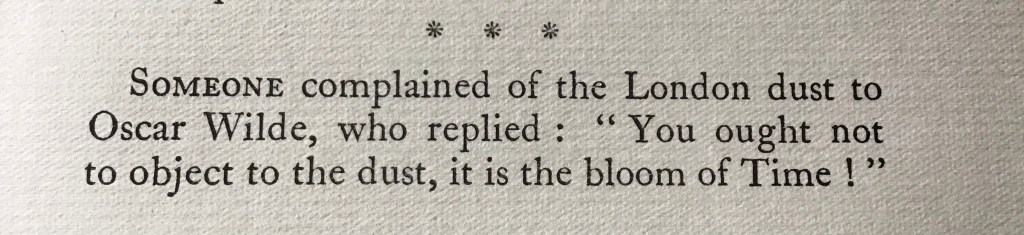
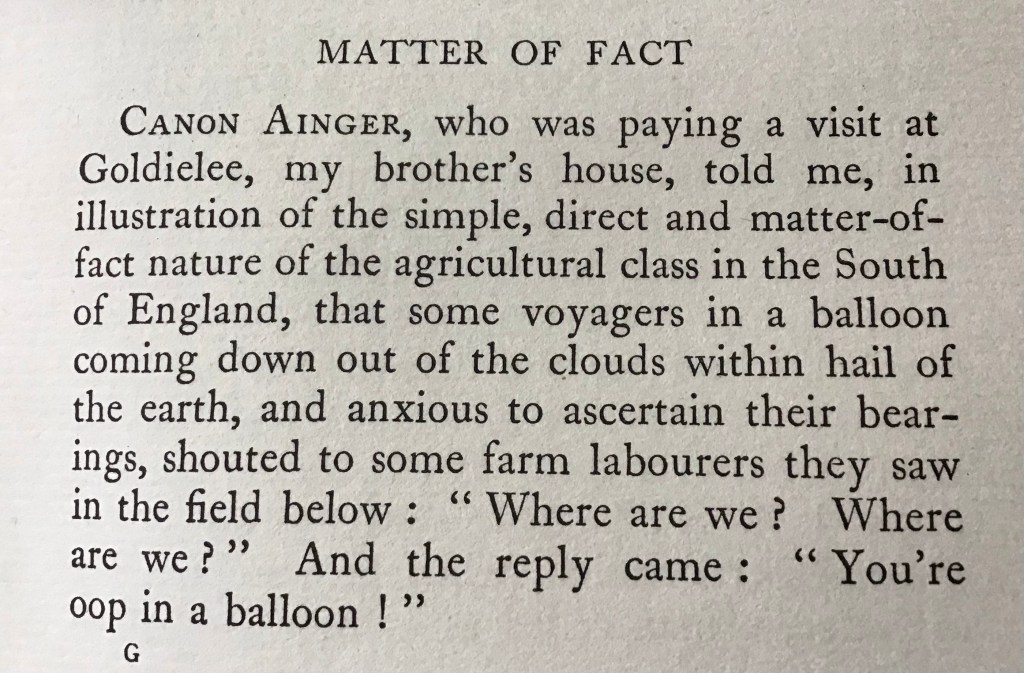
Here’s a small flavour of what he recorded.

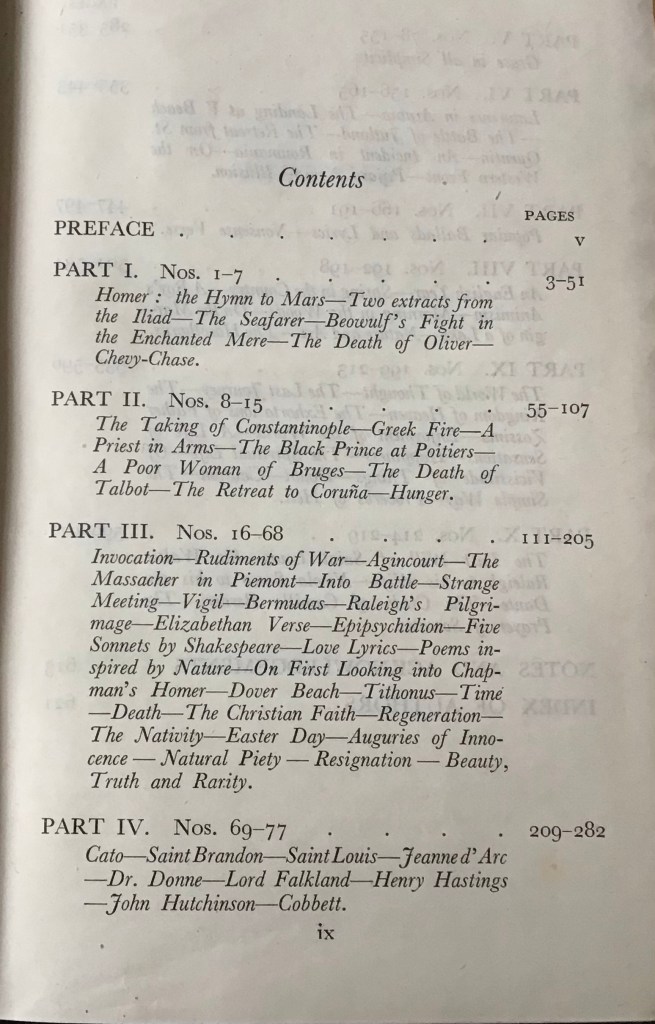
A portable guide to war

Read’s anthology is of war and for war. It catches the wider businesses of life as well but the experience of war throughout the centuries is its theme with all the things that by definition come with it. Atrides dressing himself in his armour from Chapman’s Homer,

“Then took he up his weighty shield, that round about him cast

Defensive shadows; ten bright zones of gold-affecting brass

Were driven about it, and of tin, as full of gloss as glass,

Swelled twenty bosses out of it; in centre of them all

One of black metal had engraved, full of extreme appall,

An ugly gorgon, compassed with terror and with fear.

It is a book for a man going to war to see the width of experience – how much it has been part of the lives of men and their societies through time. Given Read’s distinguished service in the First World War it is no surprise that that war holds the lion’s share of the book. Many faces of the War are represented here, the experiences of T.E.Lawrence, the Battle of Jutland, pieces by the German novelist and poet Hans Carossa, David Jones, Frederick Manning and H.M. Tomlinson.

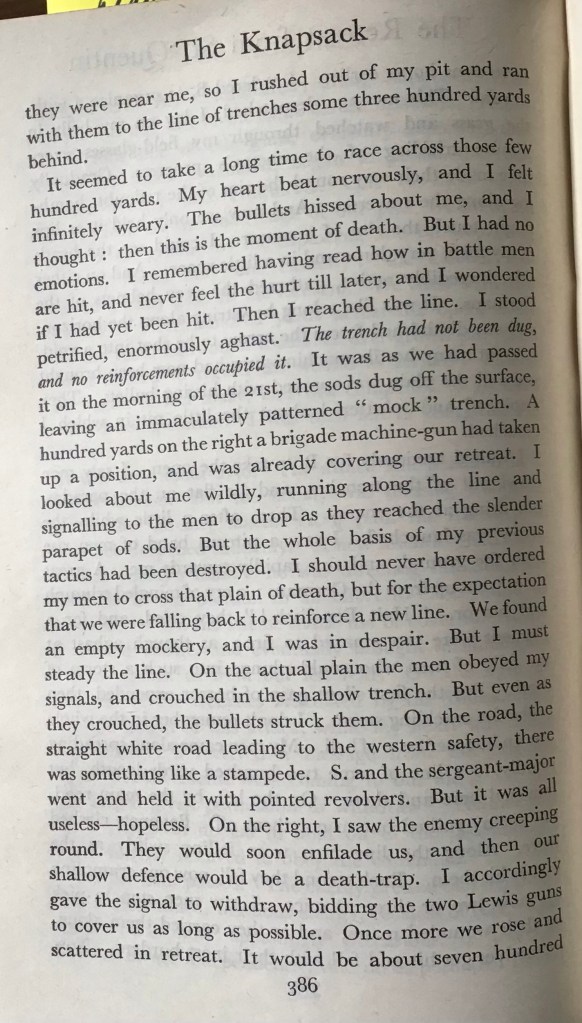
The piece of Read’s own writing that he selected for the anthology was his painful account ‘The Retreat from St. Quentin.’

My copy belonged to R.S. Ryder and he dated it July 1940. I hope he came home safely.

If you could only have one….

If you could have only one book to keep with you in hard times, what would you choose? I don’t mean a favourite book but one that will give you everything you need. In 1939 the great art and literary critic, philosopher and poet Herbert Read attempted an answer.

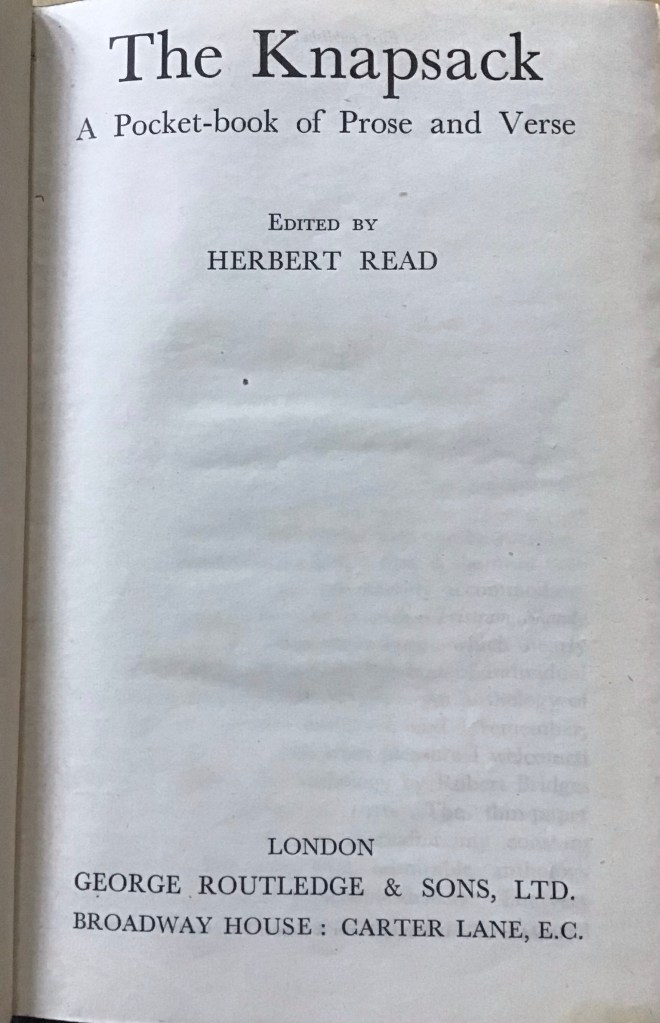
‘The Knapsack’ published by Routledge in 1939 is an anthology intended for a soldier to carry in his kit when there might be room for no more than one book. It’s a compact, robust book which gives confidence. Read had served in the First World War receiving both the Military Cross and the DSO.

As Read makes clear in the Preface to ‘The Knapsack’, the First World War had made him aware of the need for such a book and the need for the contents of such a book to be robust and active.

“I felt that I wanted, at any rate in a good part of my moods, something more objective, something more aware of material things, of flesh and blood, of action and experience.”

More of the pieces which spoke to Read in this way next post.

A fine list of contributors…

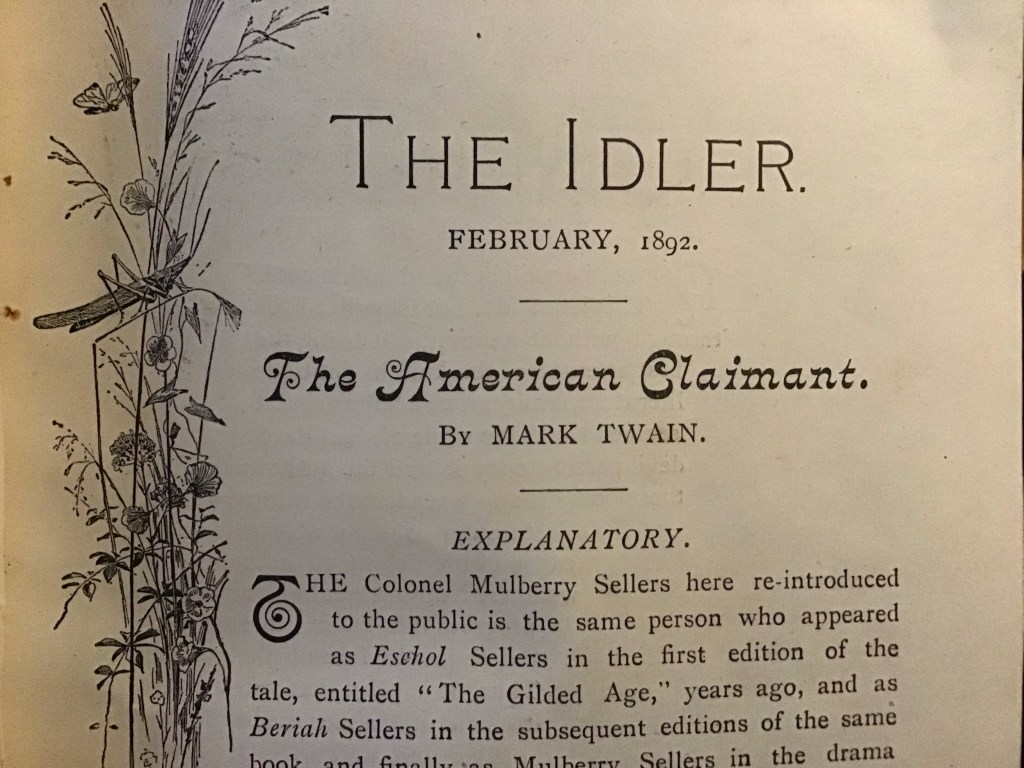
If you had bought one of the first copies of ‘The Idler’ when they were published in 1892, you would have found works by some big literary players inside. Not only were there works by Robert Barr and Jerome. K. Jerome themselves but also some other big nineteenth century names.

Israel Zangwill (1864-1926) contributed several pieces – a poem, a story called ‘The English Shakespeare’ and another called ‘The Memory Clearing House.’ This in the year in which Zangwill was to publish his novel ‘Children of the Ghetto. A Study of a Peculiar People’ – his vivid episodic portrayal of the immigrant Jewish community of the East End – which brought him significant success.

Arthur Conan Doyle wrote an article, a year before Sherlock Holmes appeared to have plunged off the Reichenbach Falls, alive with detail, entitled ‘The Glamour of the Arctic,’ The article tells the extraordinary story of the whale fishers of Peterhead who ‘leave home at the end of February, before the first shoots are above the ground and return in September, when only the stubble remains to show where the harvest has been.’

Doyle’s brother-in-law E.W. Hornung whose literary career was already underway, contributed and later in the decade he would debut his most famous creation of the gentleman thief Raffles.

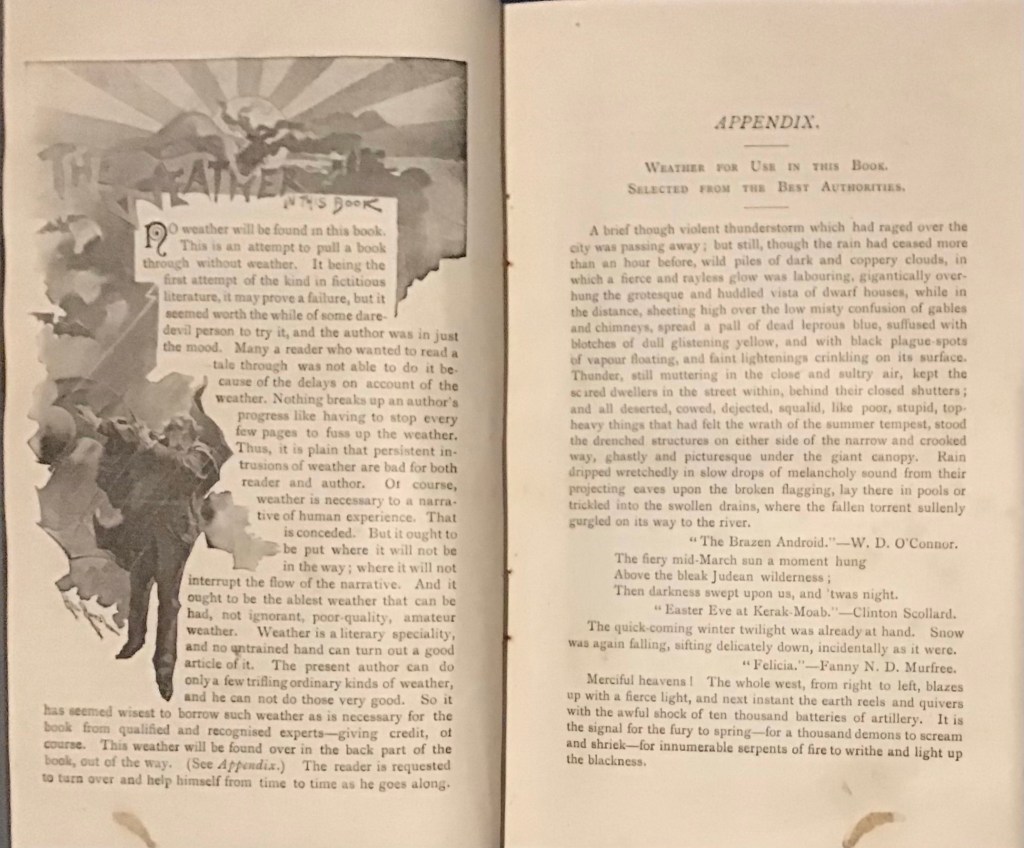
Then there was Mark Twain. ‘The Idler’ serialised Twain’s 1892 novel ‘The American Claimant’ between 1892 and 1893. The novel is known for a charming conceit – Twain’s decision to write a novel without mentioning the weather and , conveniently for the reader, placing a whole selection of weather description in an appendix for the reader’s free use. Delightful.