Practical Information for All by R. Ewart Williams or Everything you didn’t know you needed to know round 1939…

Reassuring….

‘Practical Information for All’ edited by R. Ewart Williams and published by Odhams Press is part of a series I have blogged about before – in particular the volume ‘The Home Entertainer.’ The series is undated but seems to belong to the very end of the 1930s – ‘Practical Information for All’ has a page showing the evolution of the uniforms worn by postmen and the most up-to-date is 1938.

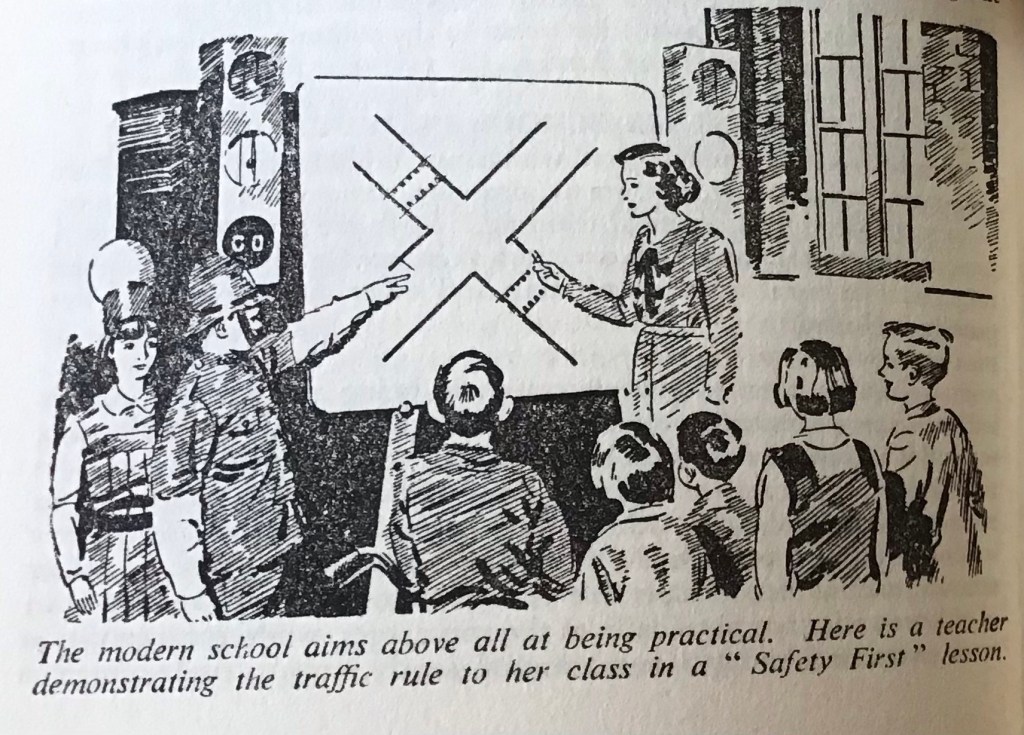
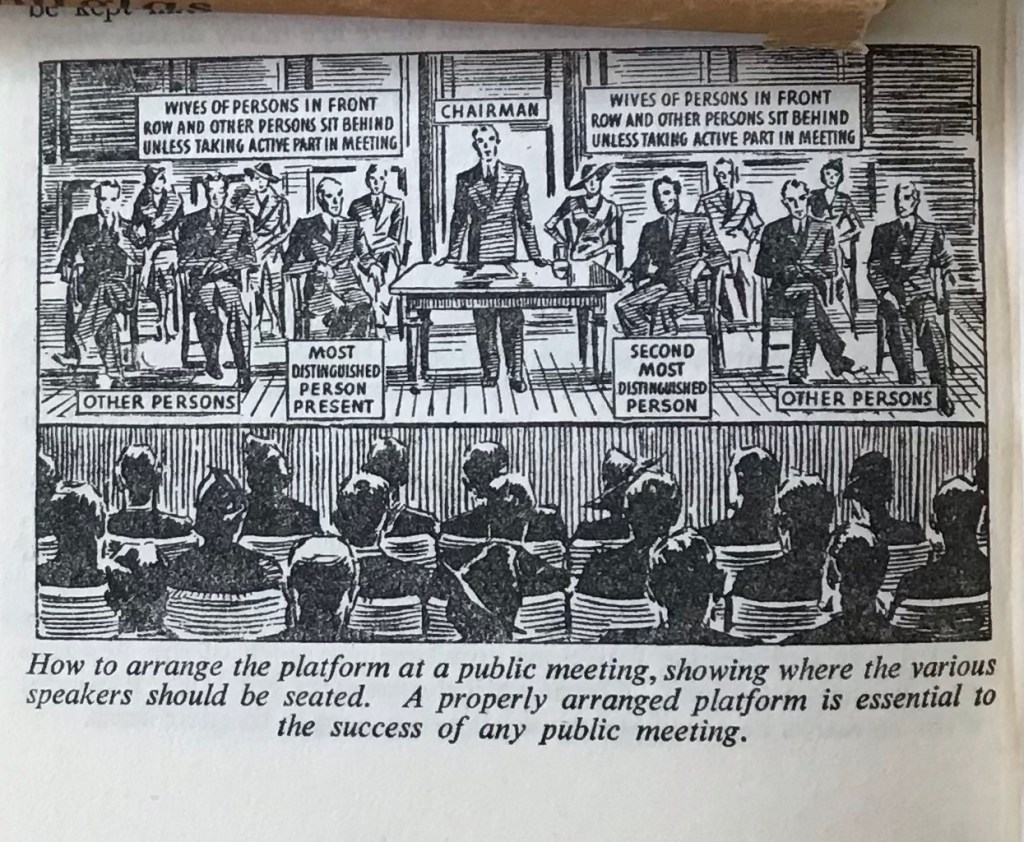
It must have been strangely reassuring as the world dissolved into chaos to have this volume on your bookshelf with you needed to know from business terms, opening a bank account, time zones, the weather, weights and measures to assay marks, pre-NHS medical care, local government, personal papers, pensions and the usefully titled ‘Emergencies and how to meet them’.

Alongside this wealth of information some delightful small pieces of extra information…
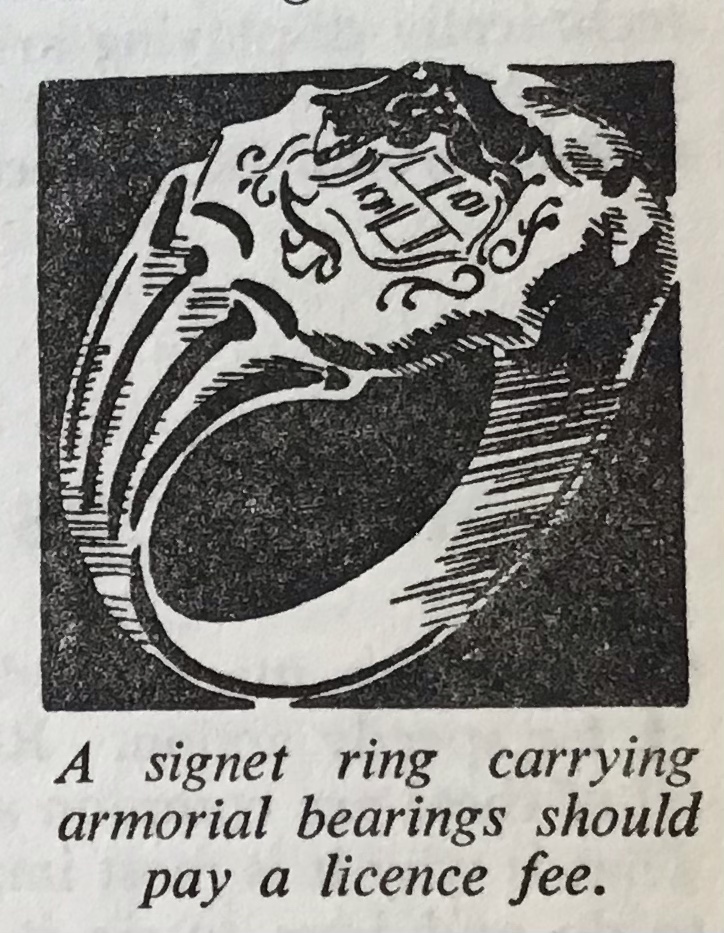
I mean, who knew?
Terrific…
Useful
My personal favourite

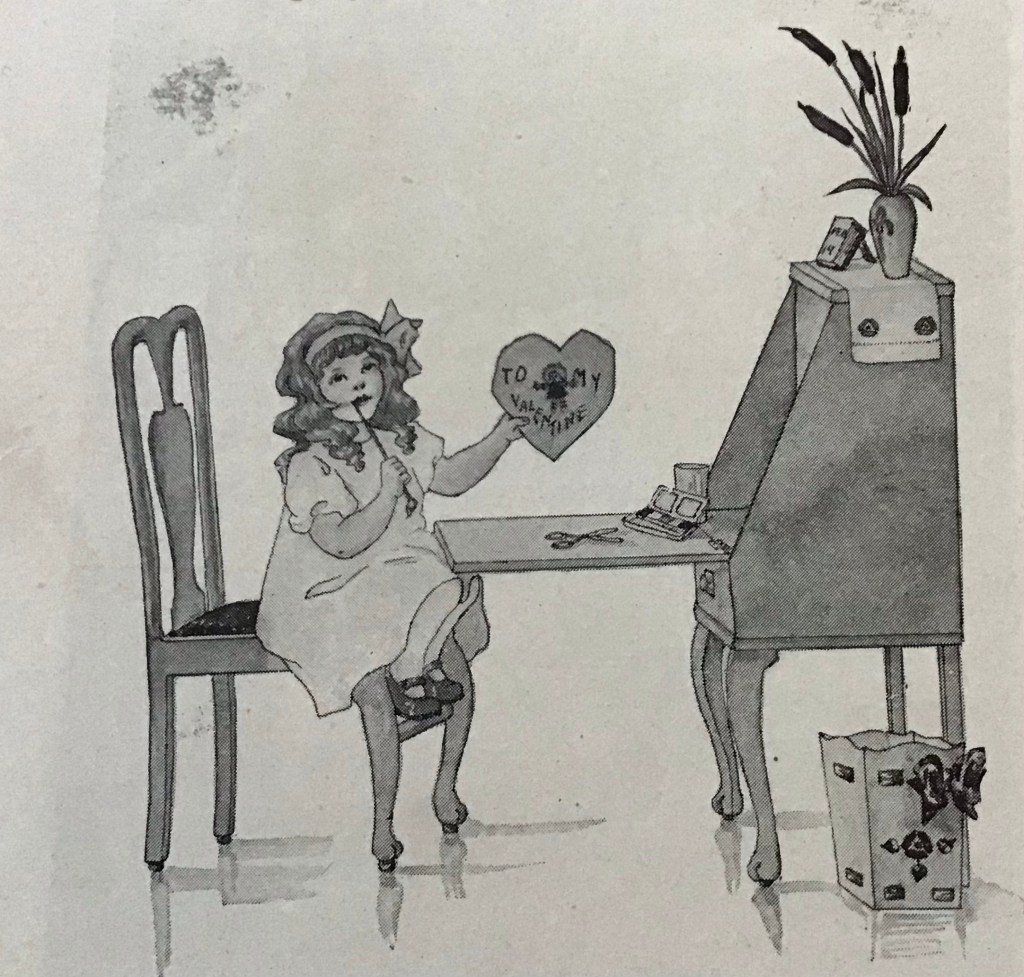
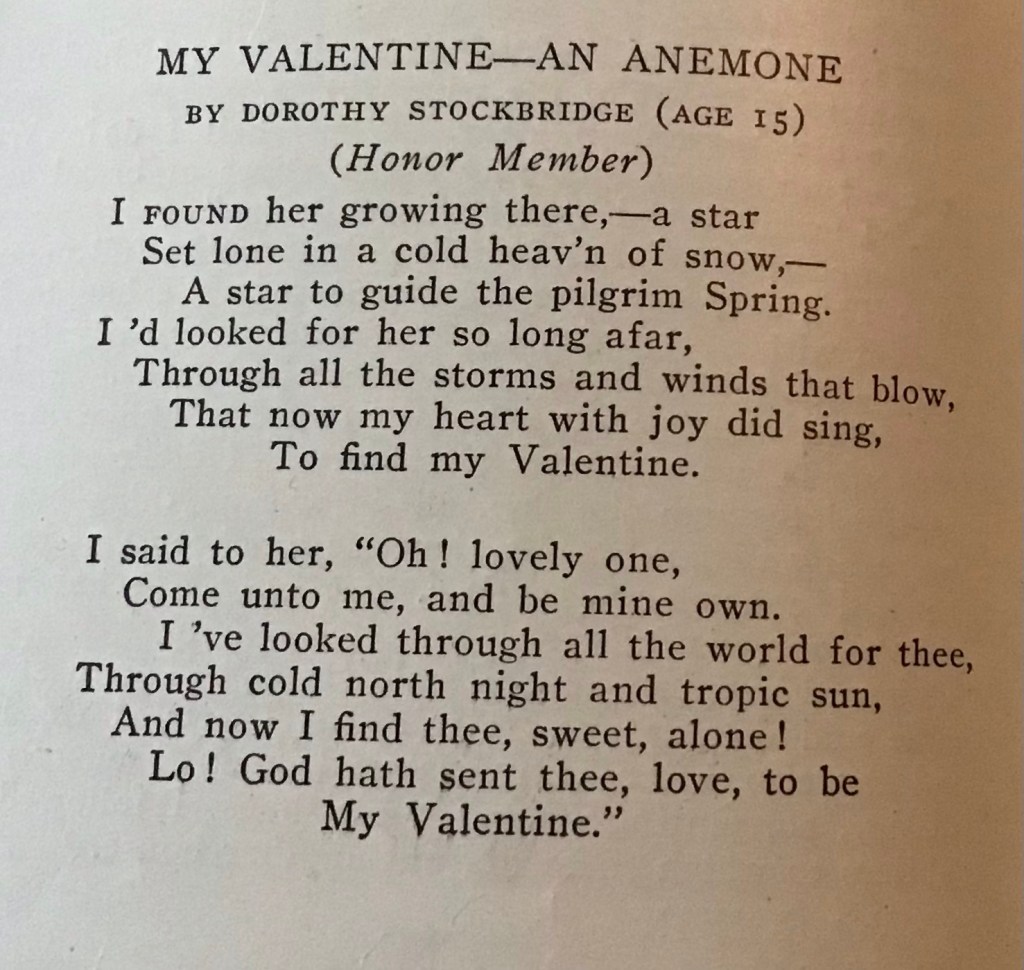
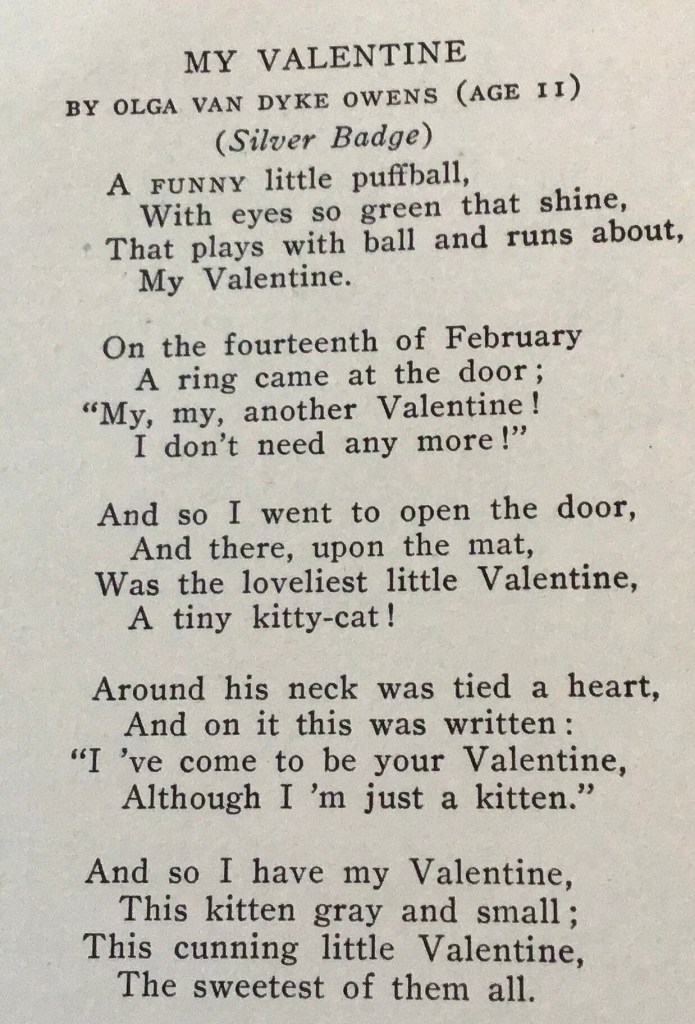
Some Valentine verses from 1912

I have blogged before about the American children’s magazine ‘St. Nicholas’ published between 1873 and 1940. I wrote then about the section of the magazine called the ‘St. Nicholas League’, which ran writing and artistic competitions for its readers. A number of American writers who went onto to great distinction contributed as children. In February 1912 the competition winners on ‘My Valentine’ were published.

Great choice…..
Understandable
Of course

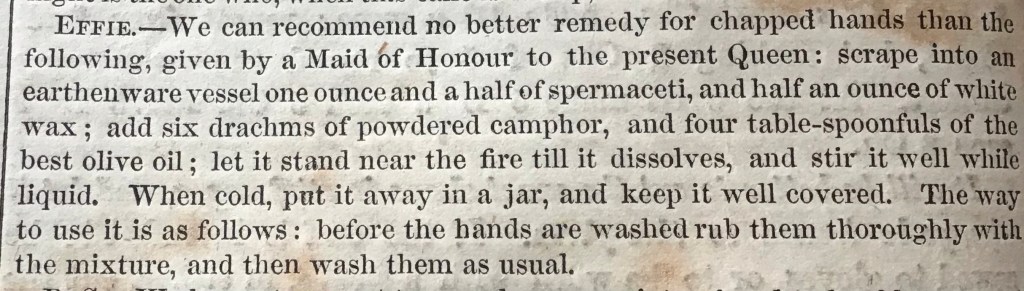
A cold February in 1859 and some advice to help

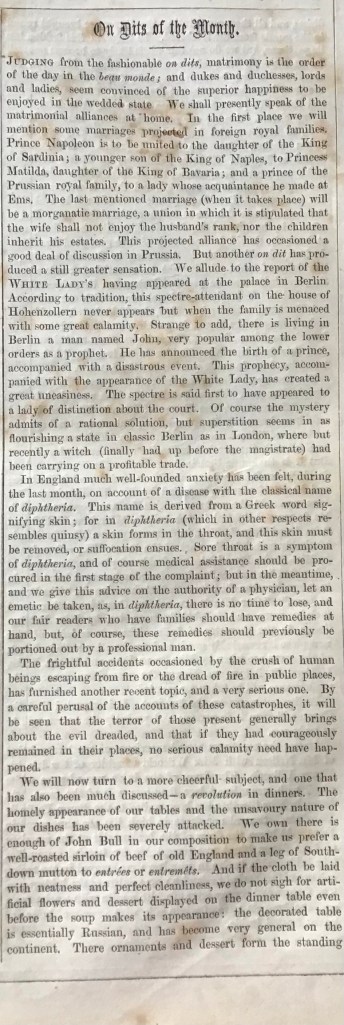
The Ladies’ Treasury had a popular column answering questions from correspondents and clearly the cold winter weather was taking its toll among its readers. The news of the month was filled with a sense of unease. Amidst the rumours of European royal marriages and the reappearance of the White Lady ghost in the Berliner Schloss, said to only appear only when misfortune threatens combined with the appearance of a prophet named John in Berlin ‘very popular among the lower orders gave food for thought. But back in England there was rising concern about ‘a disease with the classical name of diphtheria.’

Diphtheria had only been formally so named since 1826, previously it had been known in England as Boulogne sore throat based on a belief it had travelled to England from France. The Treasury tells us that the last month had seen ‘much well-founded anxiety has been felt’ about the spread of the illness. In 1878 it was the cause the death of Queen Victoria’s daughter, Princess Alice.

But at least there were some weddings….

The Second Story of a Book – Part Two

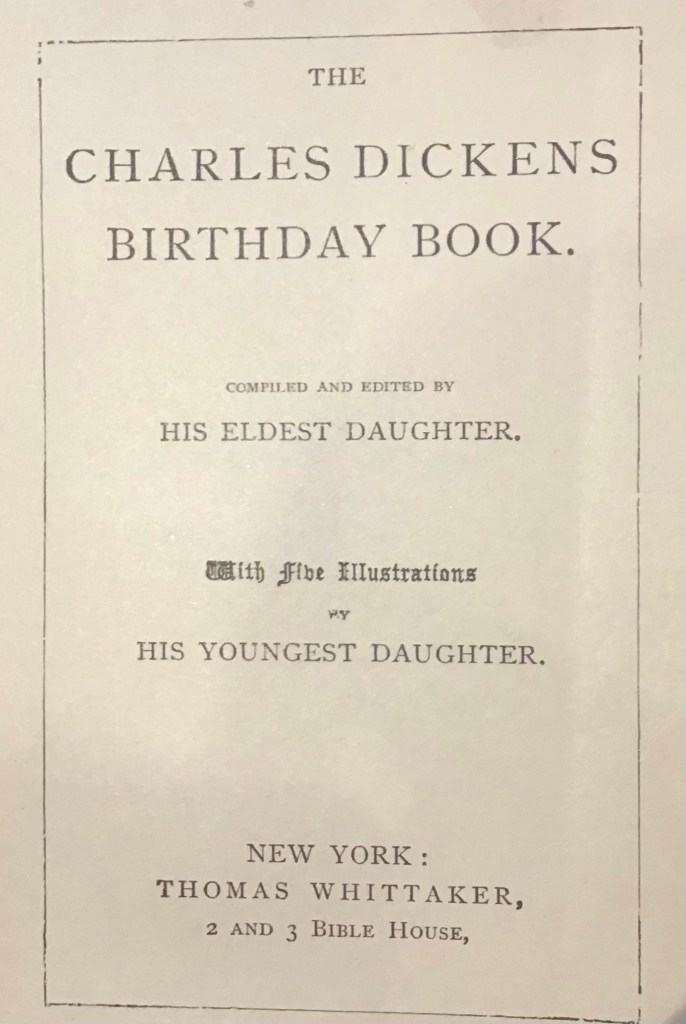
With five illustrations by his youngest daughter…

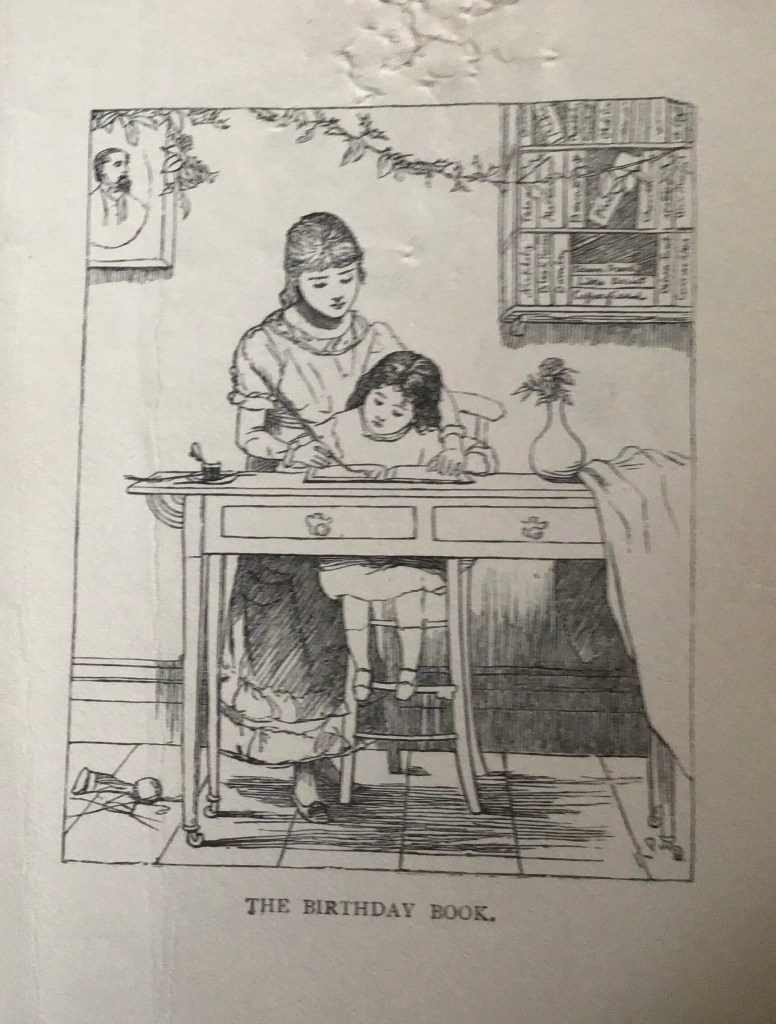
In the previous post I wrote about this day-book which contained extracts from Dickens produced in America and written by his eldest daughter. This particular copy had been used to document the life of a little girl born in the late 1890s.

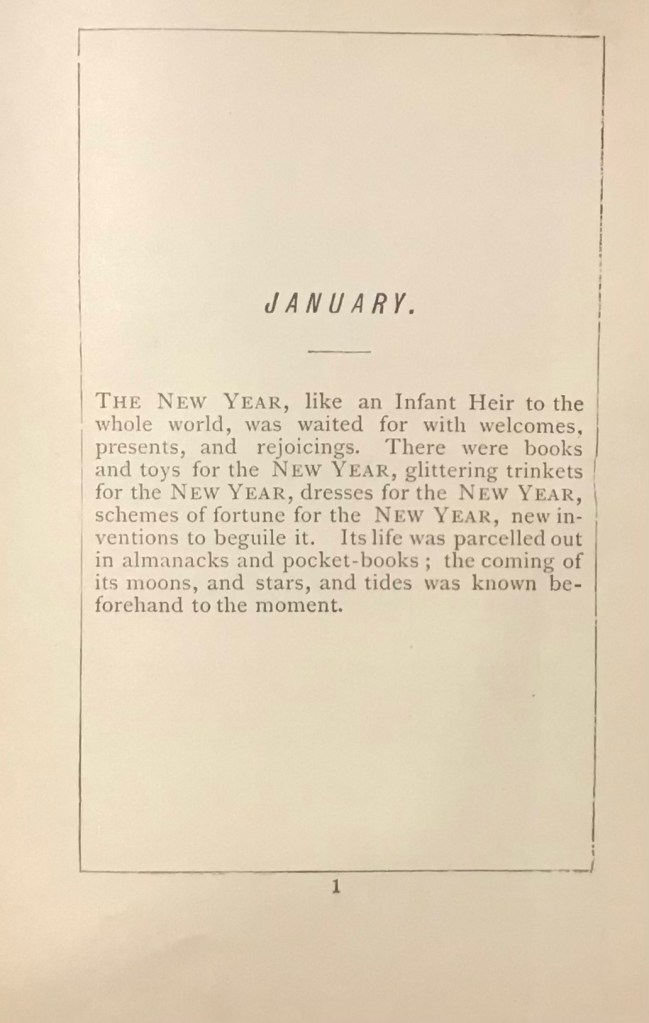
Here’s the thought for January 30th 1882

Increasingly the book seems to have fallen into the little girl’s hands and once a year for her mother she recorded her handwriting.

The book continues to capture the paper ephemera of a life including a marriage and this programme for a piano recital she gave in 1921.

Something of a life captured…

The Second Story of a Book – Part One

Two for the price of one…..

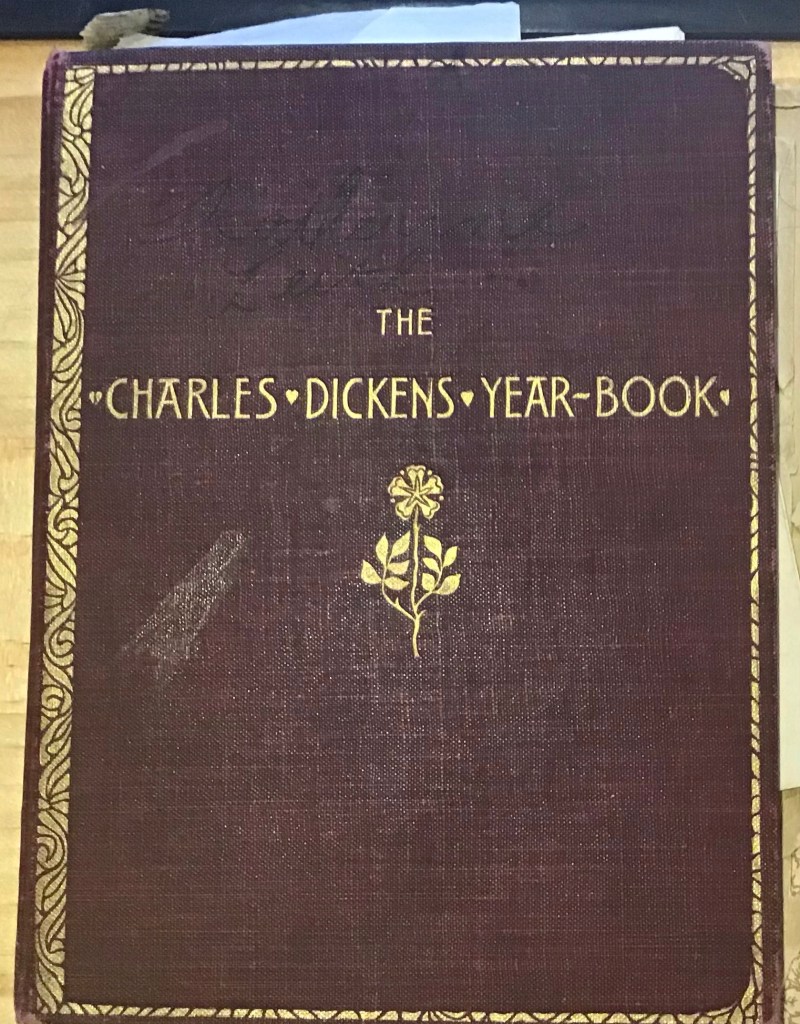
Books often have something more to tell us than their own story and this book is one such. This is an American book published in 1882 and is a sign of the enduring power of Charles Dickens on both sides of the Atlantic, a dozen years after his death. Even better for lovers of Dickens, this is the work of the Dickens family.

The format is simple, it’s a date-book or diary. The left hand pages have a piece of text from the works of Dickens for each day and blank spaces on the right hand side to be completed by its owner.

But this book has another story to tell, the story of a little American girl born I would imagine in the 1890s whose childhood is chronicled inside her pages. Her name was Katherine Leith, you can just about see it written above the book’s title on the cover and she seems to be from St Louis. Her childhood is packed into this book. This snapshot, I’m guessing 20 mos means 20 months old, captures a moment.

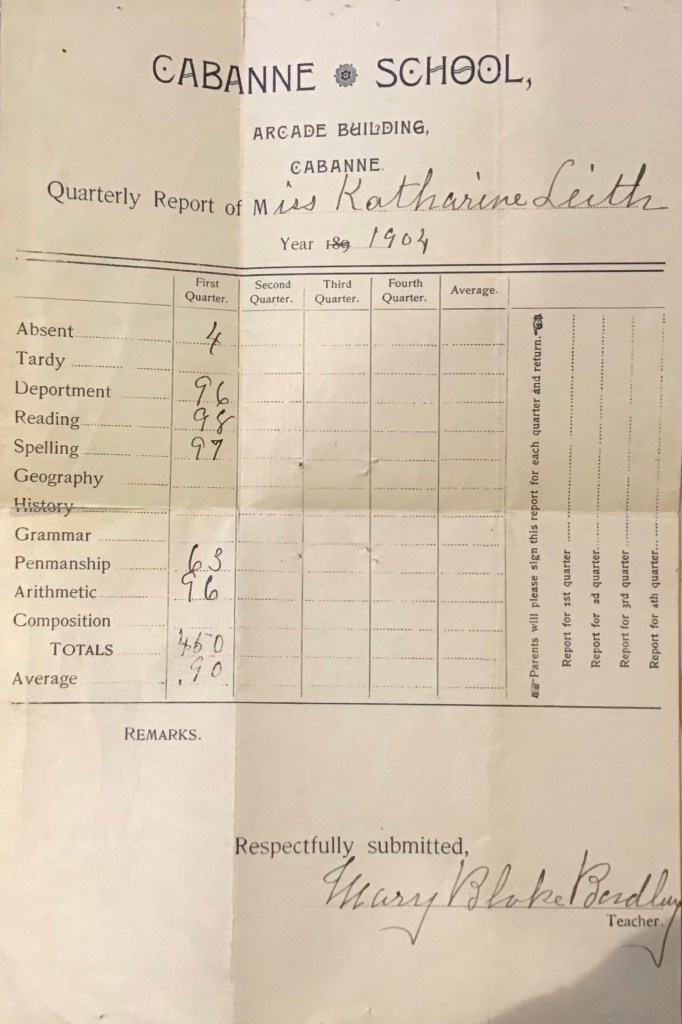
An early school report….

The book is full so more next time…..

The news from 1767 – the more things change….

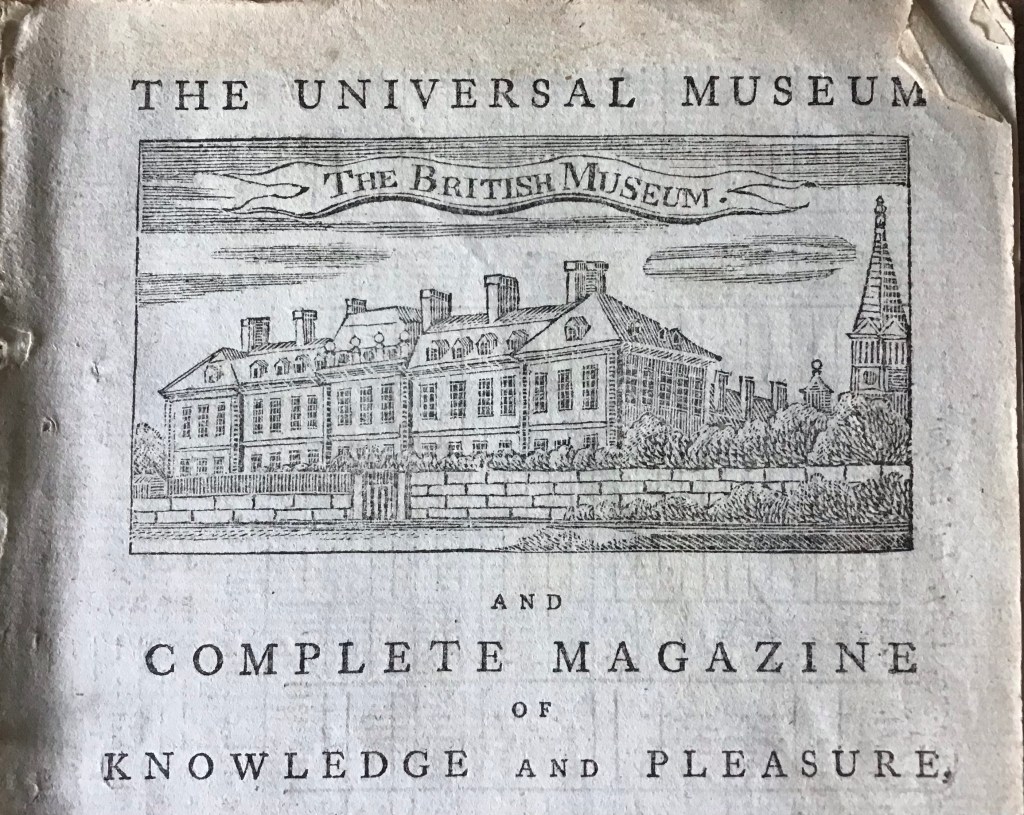
The Universal Museum offered its readers much in the way of both knowledge and pleasure beginning with stock and gold prices, biographical pieces, what was new in the theatre, travel pieces, essays and scientific pieces.

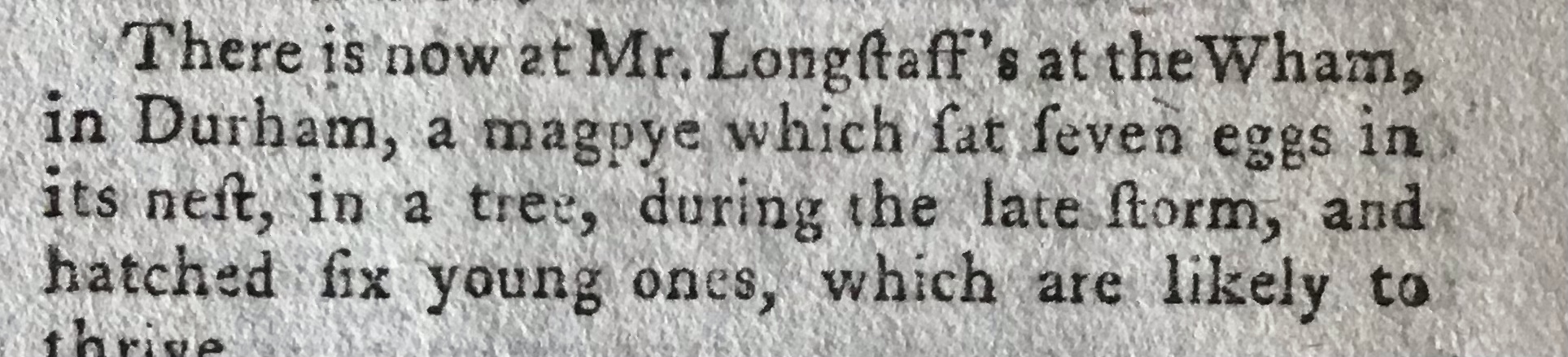
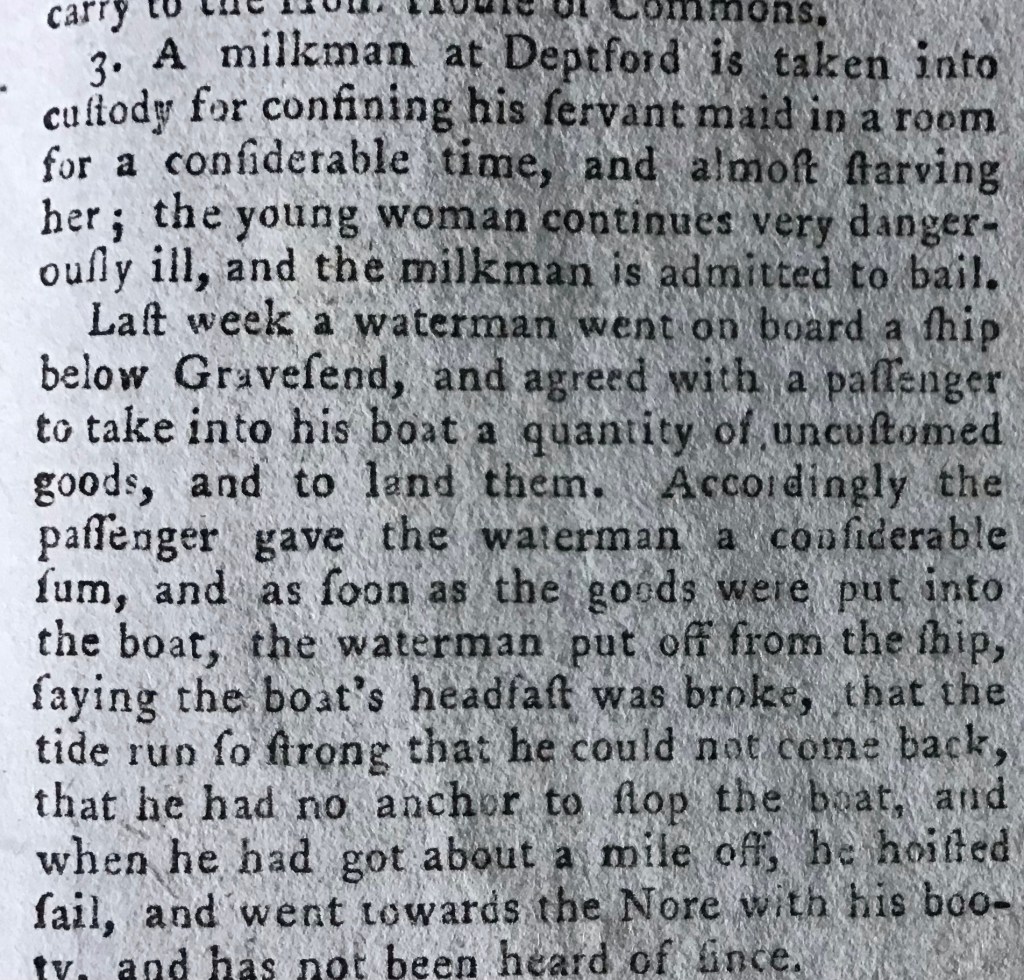
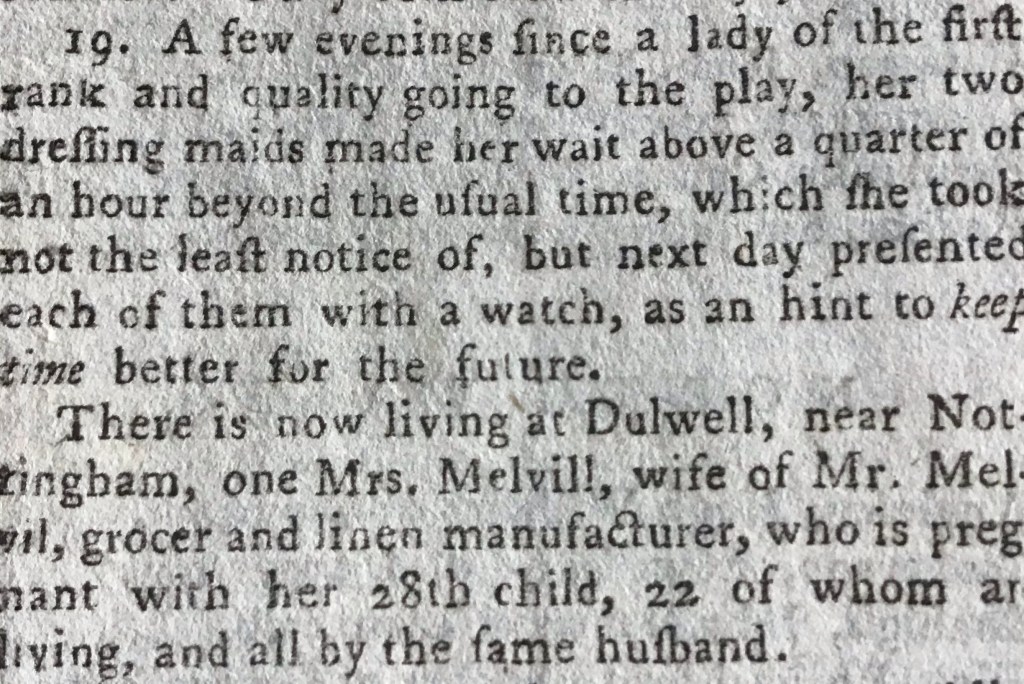
It also offered in its section called ‘Domestic Occurrences’ and ‘Country News,’ stories that could be still be found today…

Well, perhaps not this one….
‘‘Twas ever thus…

And the story of a very patient employer and a numerous family….

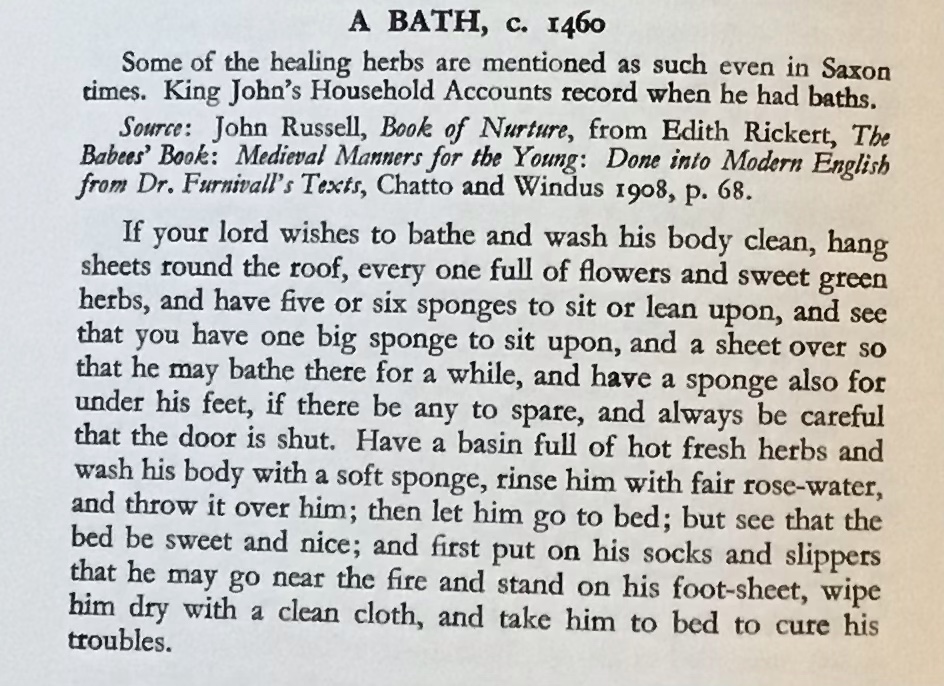
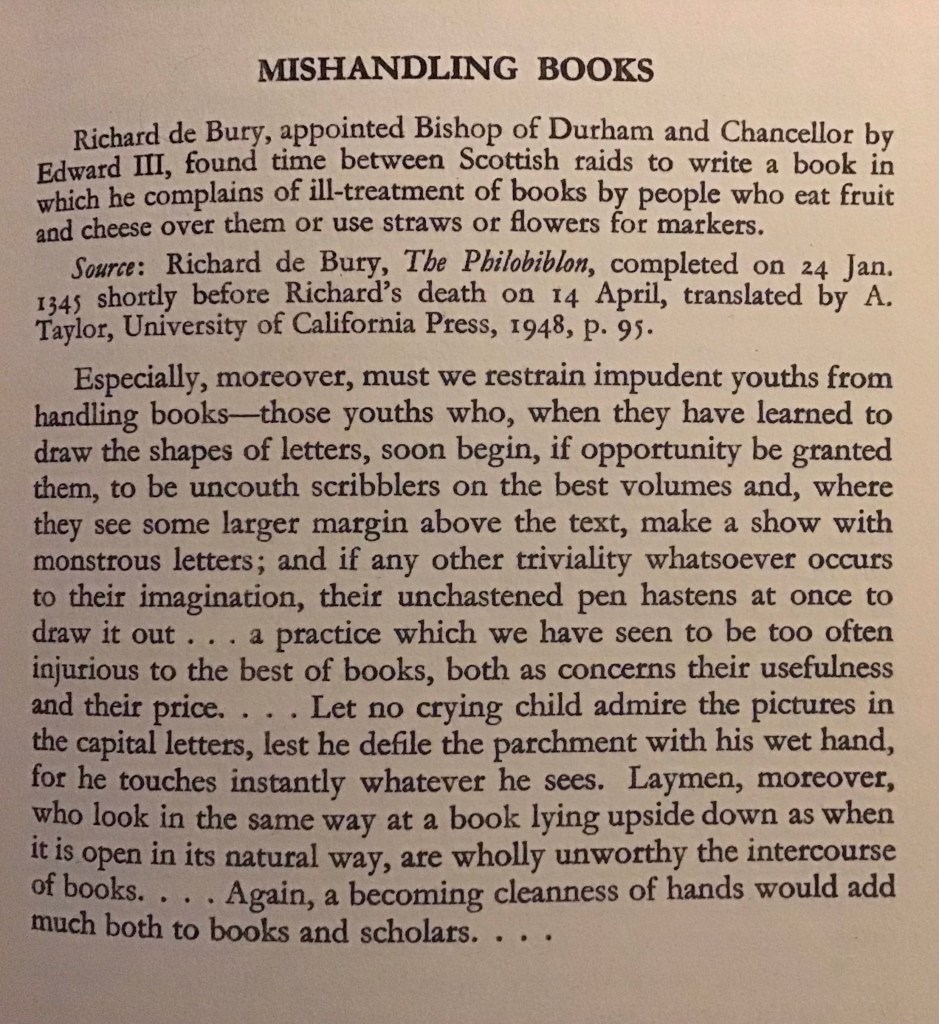
Book handling advice for us all…

Now wash your hands…

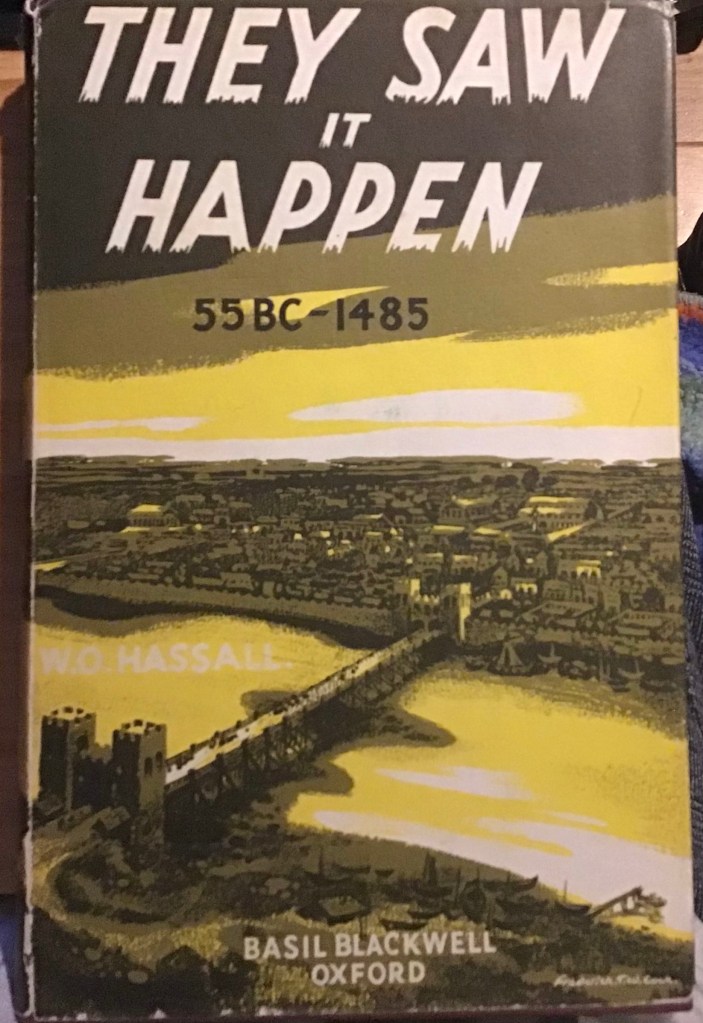
This lovely piece of fourteenth century advice comes from a wonderful anthology edited by William Owen Hassall (1912-1994), a distinguished librarian both at the Bodleian Library and to the Earl of Leicester.

First published in 1957 this delightful collection contains not only eyewitness accounts of the great events of this elusive period but also small tellings (such as the one above) which throw a vivid, sudden light. More to follow.

History as we like to imagine it….

Charles Cattermole 1832-1900

The picture reproduced above captures an idea of Shakespeare, romantically standing on the royal barge, reciting to Queen Elizabeth I the text of ‘The Merry Wives of Windsor’ – the play tradition held she had asked him to write – showing Sir John Falstaff in love.

The original watercolour from which this postcard was reproduced was one of 13 painted by the Victorian artist Charles Cattermole (1832-1900), the nephew of the well-known book illustrator George Cattermole (1800-1868) – one of illustrators of Dickens. Cattermole was one of new generation of Victorian painters of historical subjects, emphasising a chivalric and romanticised vision of British history.

The 13 pictures were illustrations of romantically imagined scenes from the life of Shakespeare. Beginning with Shakespeare’s Christening and ending with Shakespeare’s Last Hours. The Merry Wives of Windsor picture was number 10 in the series. They were commissioned by William Roland to accompany a lecture on Shakespeare’s life and were bequeathed to the Shakespeare Memorial Theatre in 1901, to be much reproduced thereafter.

An imagined vision of Shakespeare’s life…

More of the little sparrow that sang…

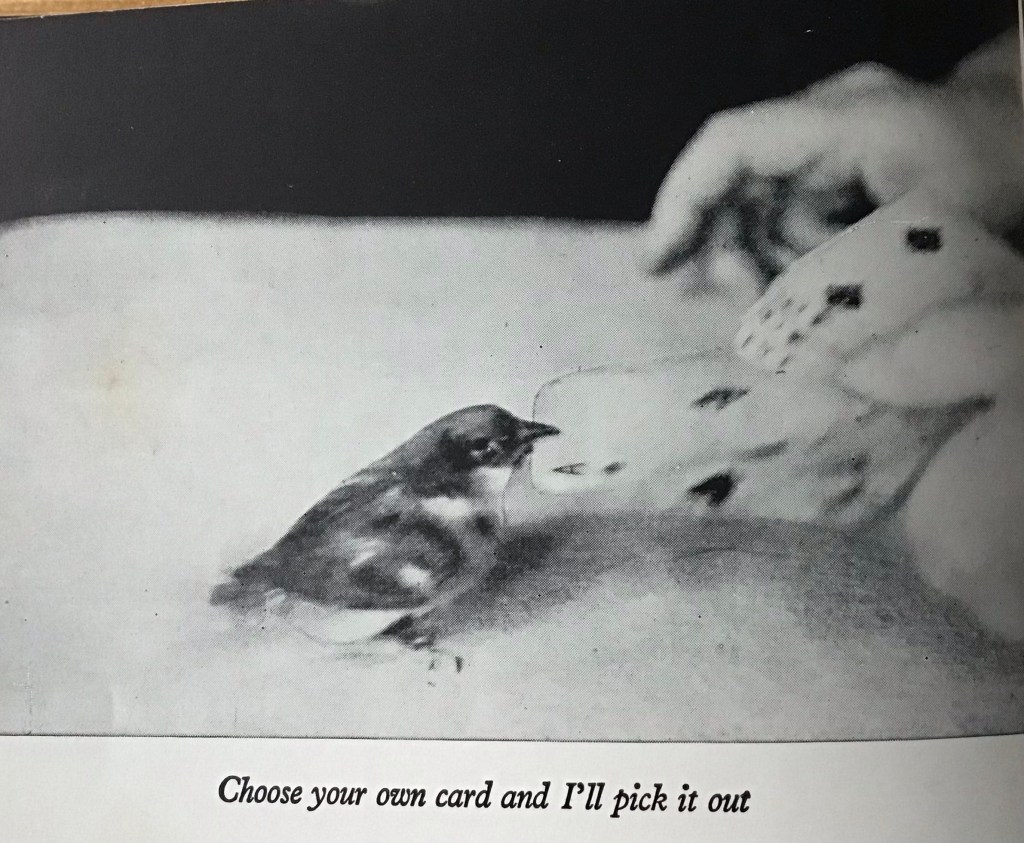
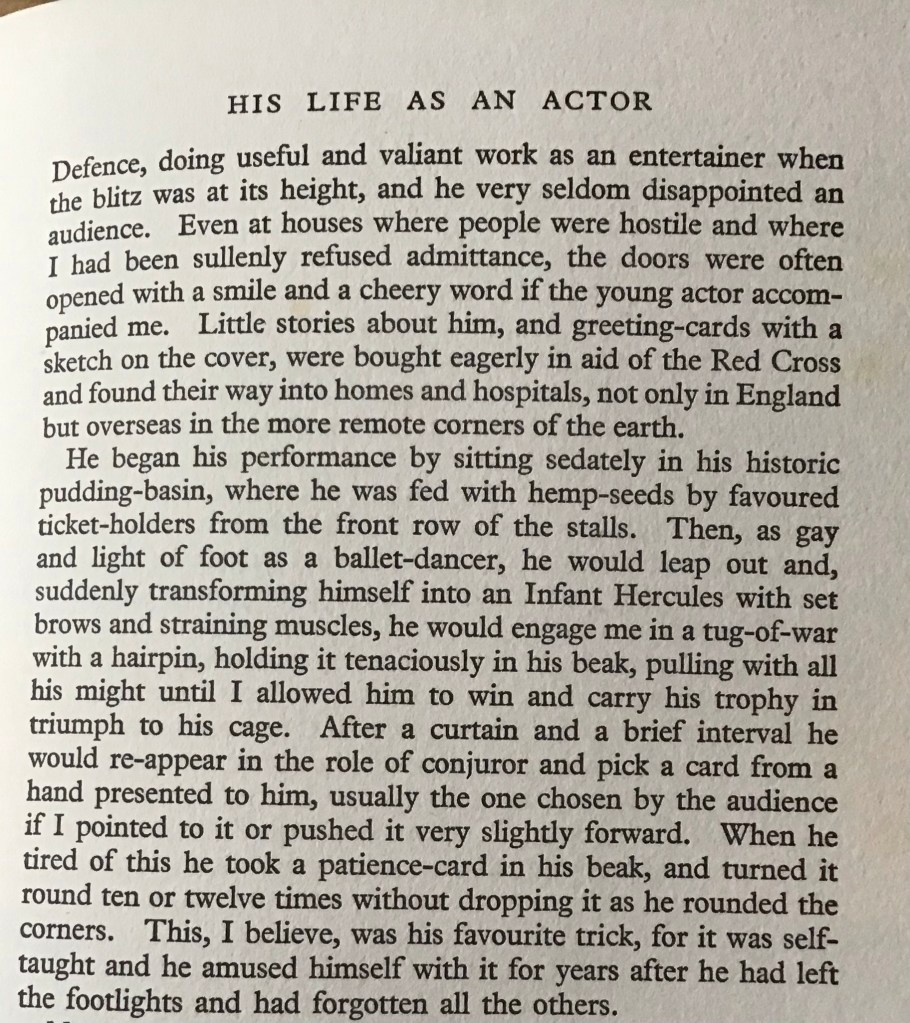
Last time I blogged about Clare Kipps’ account of the baby sparrow she adopted, saved and lived with for twelve years through the Second World War and beyond.

He became a feature of air raid shelters and began to sing, influenced by the piano-playing of the author, an extension beyond most sparrows.

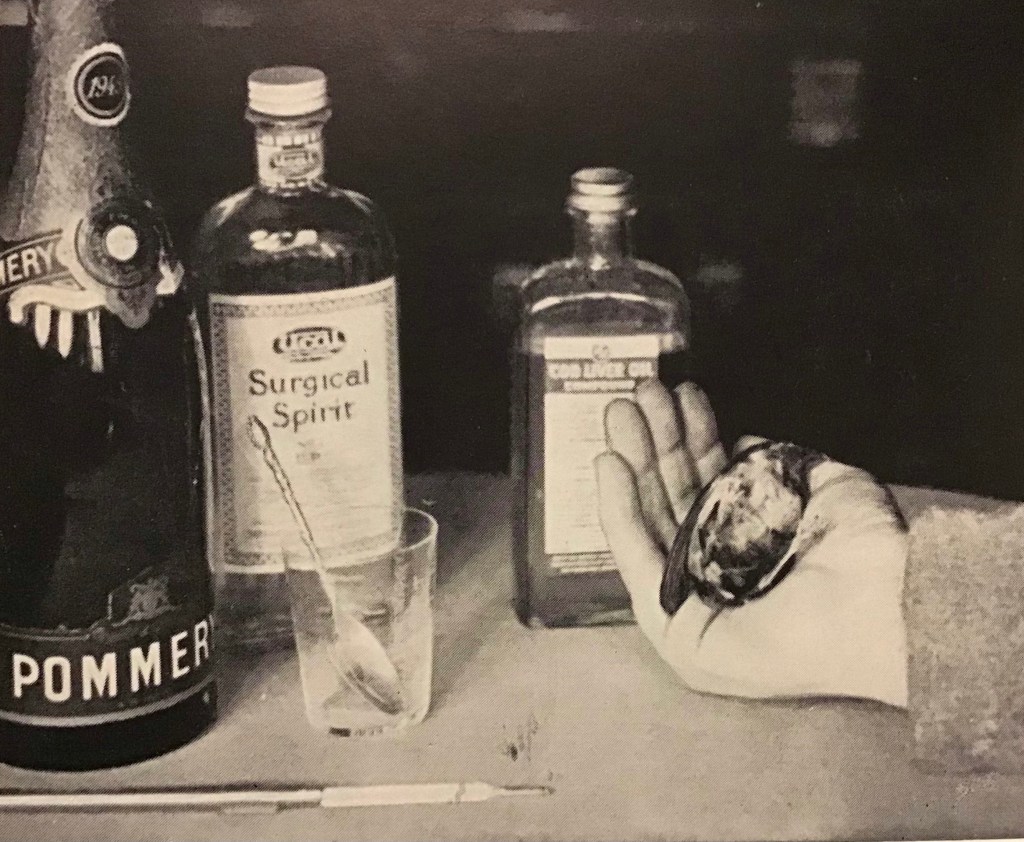
Finally, aged twelve, his health began to deteriorate and it was then an enterprising vet suggested champagne. “The next morning – and let all Bacchanalians take note of it – there was a decided improvement in his condition. He had turned the corner.”

An unusual medicine cabinet…