Today’s pastime.
A reading blog
Today’s pastime.
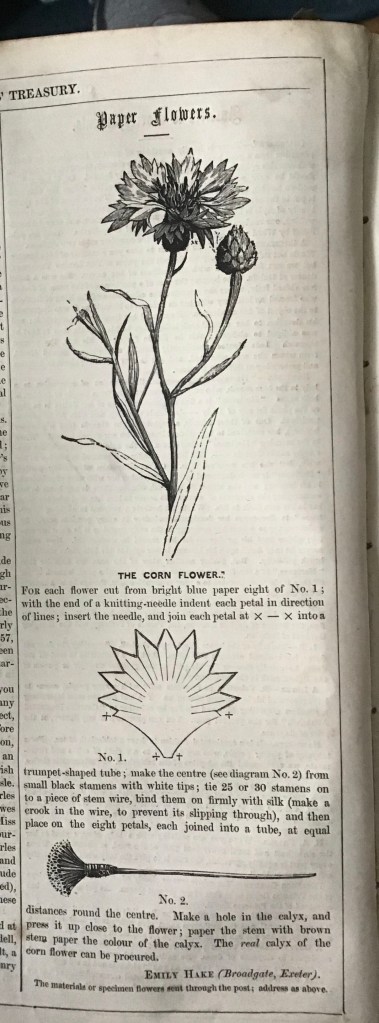
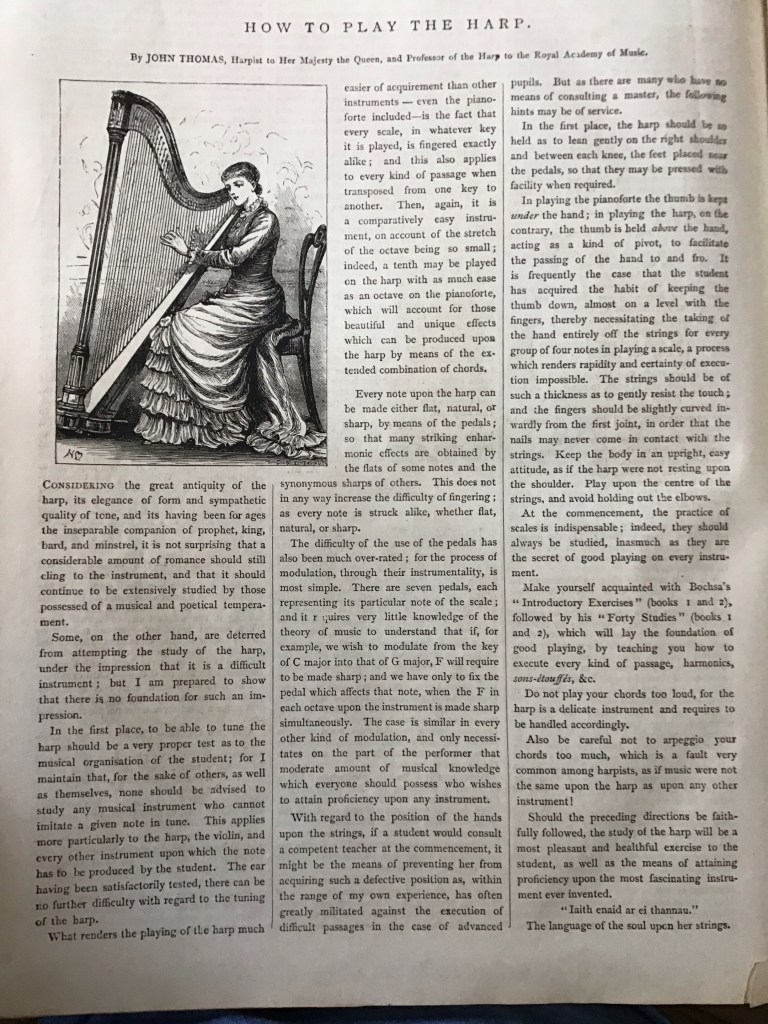
Still reading Eric Linklater with the greatest pleasure but also this week I’ve been reading Victorian magazines and they’ve been a mine of interest and information. Absolute solid with a sense of self-improvement on every page they are full of a myriad of activities so for the next few days I thought I might share some of these.
A sombre thought but of some use perhaps. My preferred title is a factual one – ‘When Dinosaurs Die: A Guide to Understanding Death’ by Lauri Krasnoyarsk Brown and March Brown. A sensible, well-written book about death, dealing with both the emotional aspects of a death but also the more practical elements such as how different cultures commemorate death and what people believe about what if anything happens after death.
A relatively new title is ‘Rabbityness’ by Jo Empson which I very much admire. It deals sensitively with the complex issue of loss. The rabbits are devastated when their brilliant and creative rabbit friend disappears leaving only a deep, dark hole. When the rabbits are eventually able to explore the hole they find a legacy of creativity which helps them fill their world again with colour and music. ‘Badger’s Parting Gifts’ by Susan Varley is rightly seen as a classic in this area. The sense of loss felt by Badger’s friends is overwhelming until they each recall something he contributed to their lives. A similar title is ‘The Memory Tree’ by Britta Teckentrup.
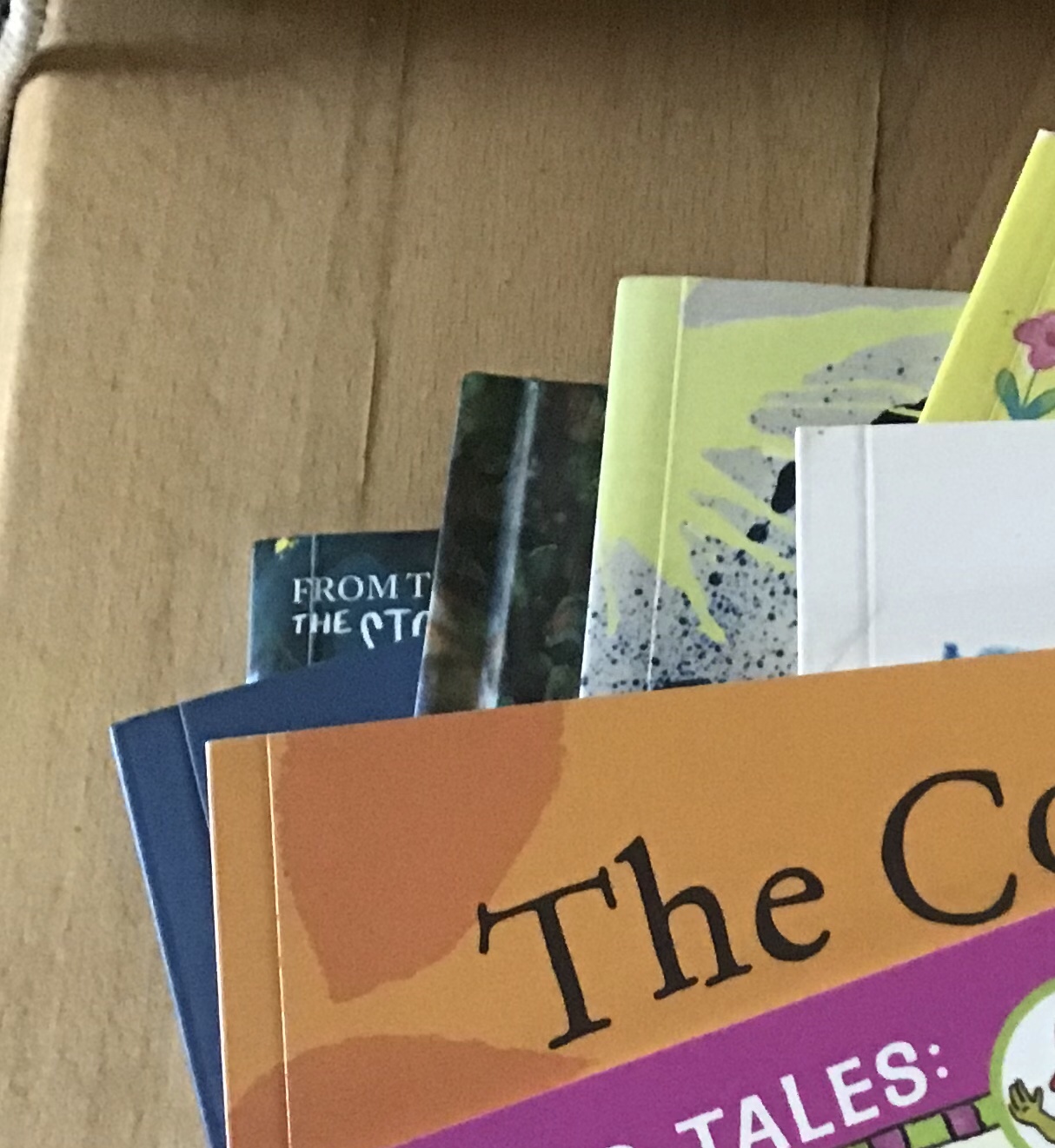
‘The Copper Tree’ by Hilary Robinson and Mandy Stanley is a slightly different work exploring the impact of a death in a community of small children – the death of a beloved teacher and it explores helpfully how people can be remembered. It has great charm and I very much like it. ‘Missing Mummy’ by Rebecca Cobb is another valuable relatively recent title – a moving picture book as a little girl tries to make sense of her mother’s death. A valuable reminder too of how confusing death and subsequent ceremonies can be for a small child. Note to adults: Be sure you can read this without becoming upset before sharing it.
‘Up in Heaven’ by Emma Chichester Clark. An old dog dies leaving a huge gap in his young owner’s life. The young boy is unable to move on and welcome a new puppy until the old dog watching from heaven sends a series of dreams to help him. Lovely pictures as you would expect. Some other titles to consider:
‘The Sad Book’ by Michael Rosen, illustrated by Quentin Blake.
‘The Pond’ by Nicola Davies with wonderful illustrations by Cathy Fisher.
‘Grandad’s Island’ by Benji Davies.
‘Grandpa’ by John Burningham.
‘Milly’s Bug Nut’ by Jill Janney. A short chapter book rather than a picture book.
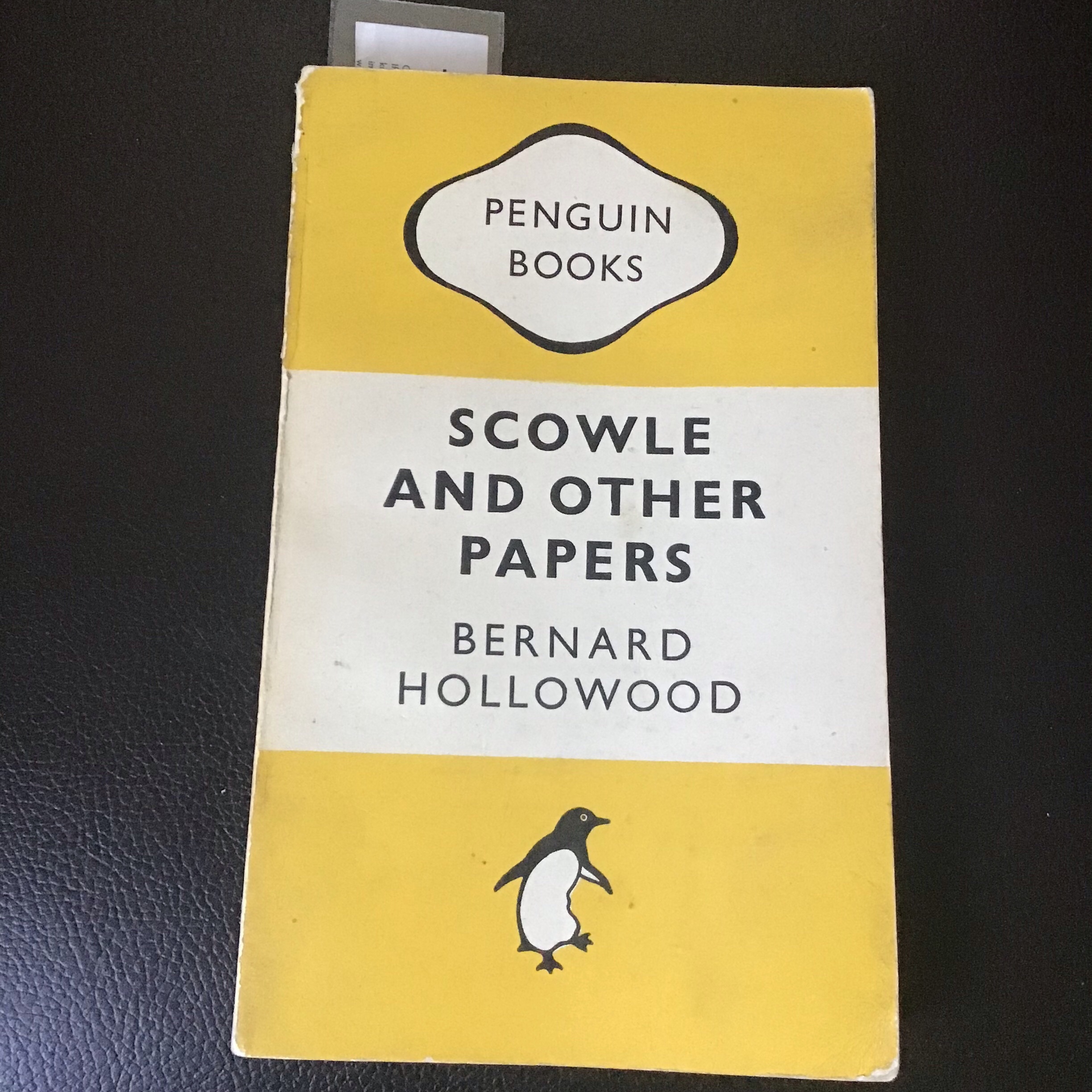
This turned out to be a real pleasure. I have a soft spot for works of humour from this period (published 1948) especially when they contain cartoons as well as this did. Quite a bit of this was written during the war and conveys a real sense of how humour worked in extreme circumstances. I enjoyed the first section on an imagined boyhood in the mining town of Scowle especially the Information Centre which produces information sheets and checking services to visiting novelists in search of local colour. The second section on life in the staffroom at St. Morbid’s reminded me ‘The Papers of A.J . Wentworth’ by H.F. Ellis (1949). Both authors were writers for ‘Punch’ – Hollowood in fact was editor from 1957 to 1968 as well as playing cricket for Staffordshire.
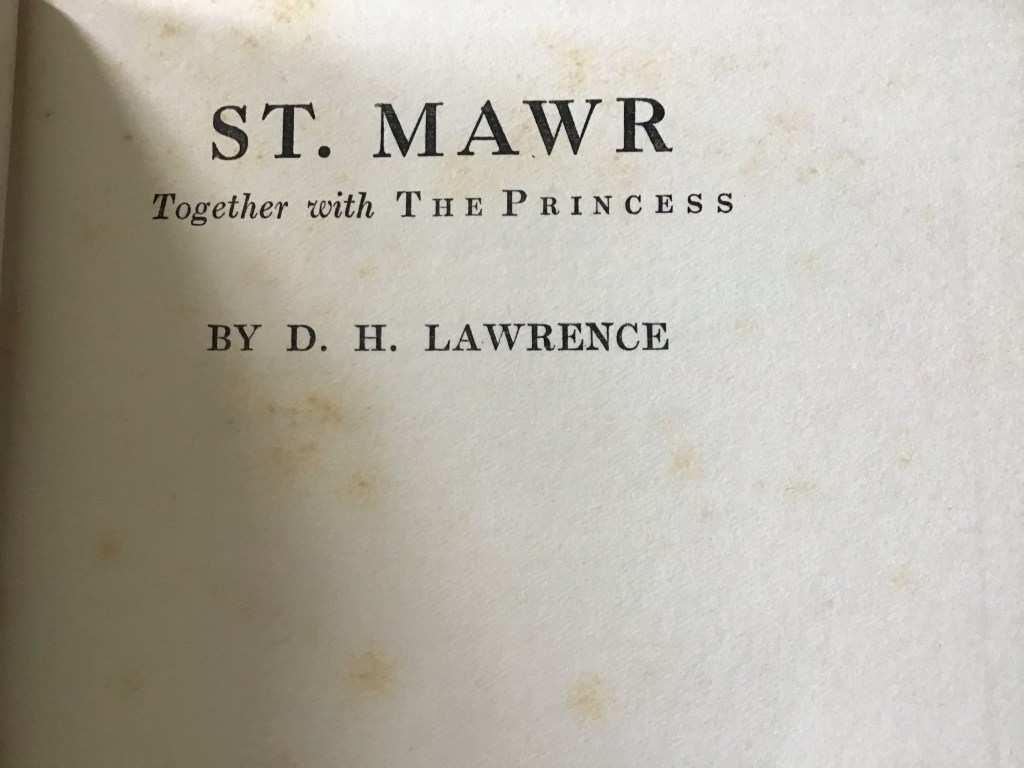
This turned out to be an interesting read indeed. It was next in my pile of brown and yellow books and ‘St. Mawr’ turned out to a strong, tense novella about a dry marriage, a horse and the two landscapes of post-war Europe and the United States.
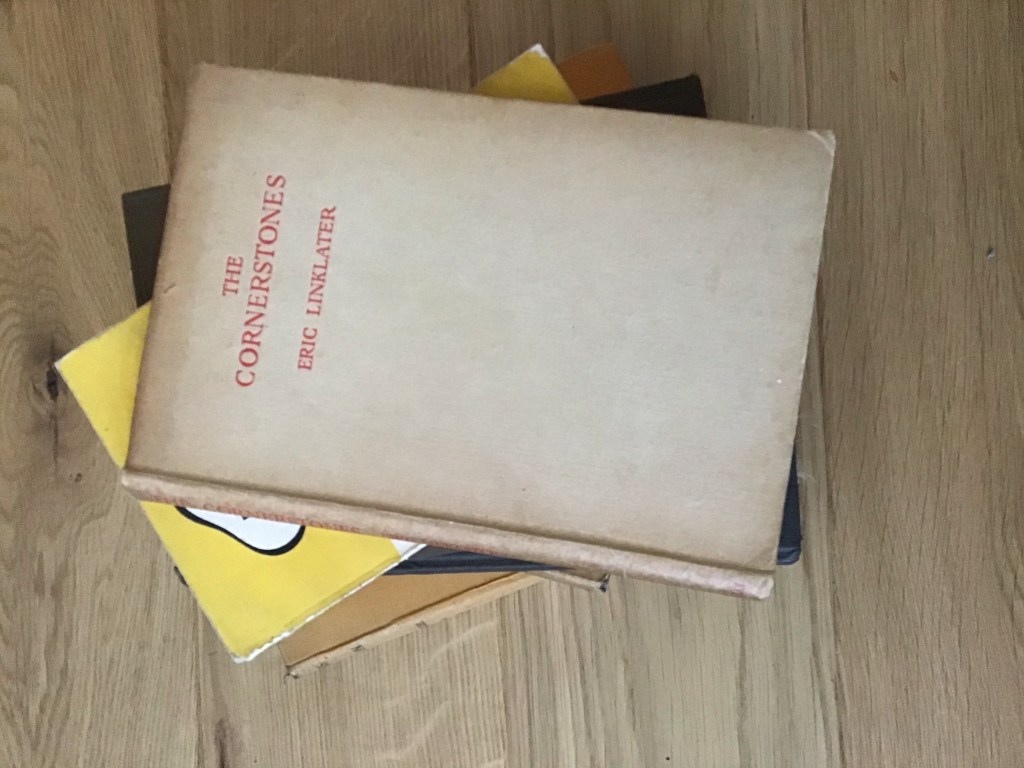
It seems a time for some unexpected reading. One of the online bookshops I’d visited amongst other things books for decoration – vintage books sold by colour and by the foot or metre. I ordered a foot of books in brown and yellow. I’m delighted with them – I’ve added one or two of my own and am enjoying the random reading very much.
The first one I read was ‘The Cornerstones. A Conversation in Elysium’ by Eric Linklater. The book is a conversation between Lincoln, Lenin and Confucius with contributions from a recently killed pilot Arden and an Everyman soldier figure. It’s full of the zeal of the time when it was written and has interested me very much in Linklater who I’d previously known only from the children’s book ‘The Wind on the Moon’ which I’d loved as a child.
I’ve greatly admired two lovely picture books recently . The first is “All Are Welcome” by Alexandra Penfold and Suzanne Kaufman. This gets the diversity message just right and is terrific to read. The second is “It’s a No-Money Day” by Kate Milner. The drawings are beautiful and moving and it’s a fantastic introduction to food banks and their importance.
My reading aloud to an adult has been halted by the Coronavirus of course but over the last year we’ve read an assortment of happy books – not always funny but books that made us happy. ‘Just William’ by Richmal Crompton, ‘Queen Lucia’ by E. F Benson followed by the same author’s ‘Miss Mapp’. Then ‘Daddy-Long-Legs’ by Jean Webster. P.G. Wodehouse’s ‘Joy in the Morning’ lined up next. It’s a book I love so much because I remember buying it from the open once a week bookshop in a cupboard at my Grammar School where I’d not long started and was very unhappy. I can still remember the escapist happiness it brought.
Today I read aloud an absolute favourite “You’re Called What?!” by Kes Gray and Nikki Dixon. The double page at the back showing the real animals figuring in the story are always a huge hit. Recent other choices “Never us a Knife and Fork” by Neil Goddard and Nick Sharratt and “Chicken Nugget” by Michelle Robinson and Tom McLaughlin.
I forgot to say earlier that I meant to read again ‘The Plague’ by Albert Camus (La Peste) – his extraordinary novel about the outbreak of plague in one city and the behaviour it provokes in the population. I’m clearly not alone because when I tried to order a copy there is clearly a huge demand for copies. An extraordinary book.
 The Solitary Reader