Holiday Season

Or self-discovery without ever having a holiday……

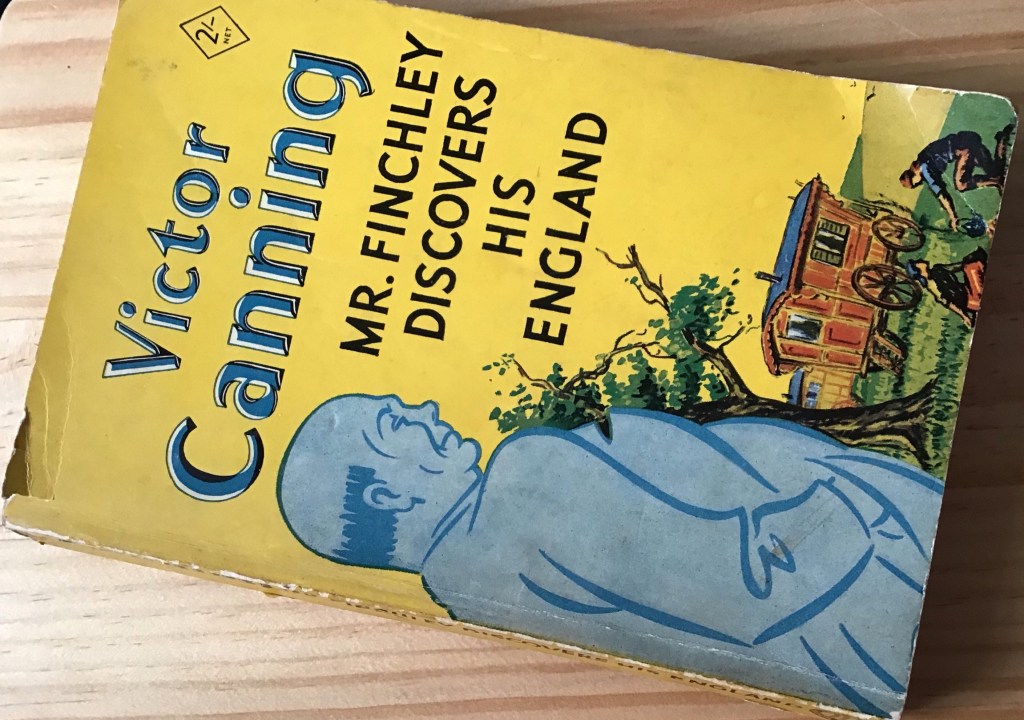
I picked up Canning’s book again because I vaguely remembered that as the book opens Mr Finchley, the hero of this the first of a series of books about his adventures, is about to begin a holiday in Margate. I should have been staying in Margate for a weekend a few weeks back so it struck a chord.
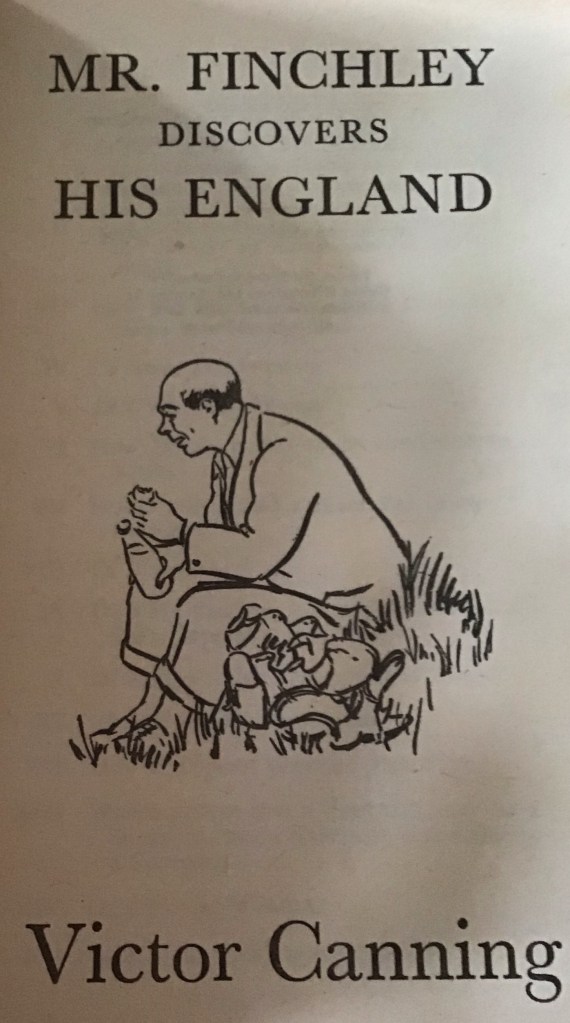
I needn’t have worried about Mr Finchley though…..

Canning’s book narrates the adventures of legal clerk Mr. Finchley as he’s about to undertake his first holiday for many years, three weeks in Margate. Missing his train by agreeing to mind a car and then being stolen along with the car, he begins a series of adventures which we can’t really call picaresque because of Mr Finchley’s great kindness and honesty throughout as he meets rogues, lost souls, great kindness, great adventures and a possible romance before returning home with Margate unvisited.

Like many books about holidays and travel more generally it is, of course, a book about self-discovery. Mr Finchley grows to understand the landscapes both of his life and the unexpected twists of his journey. Well worth a read.
More on the annotations….

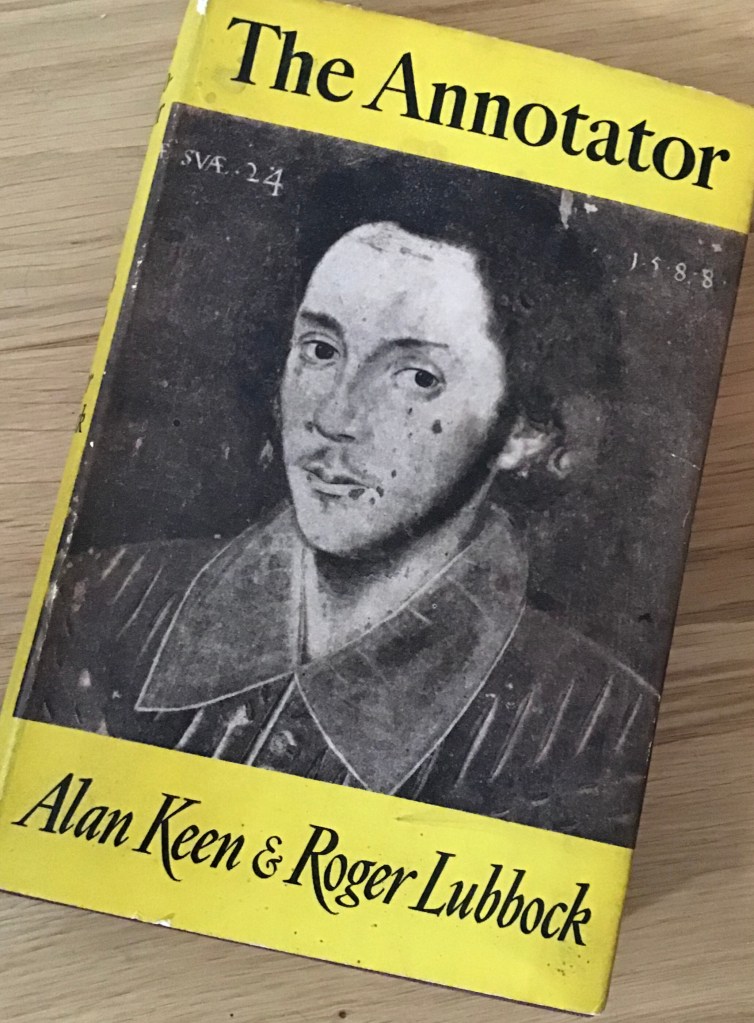
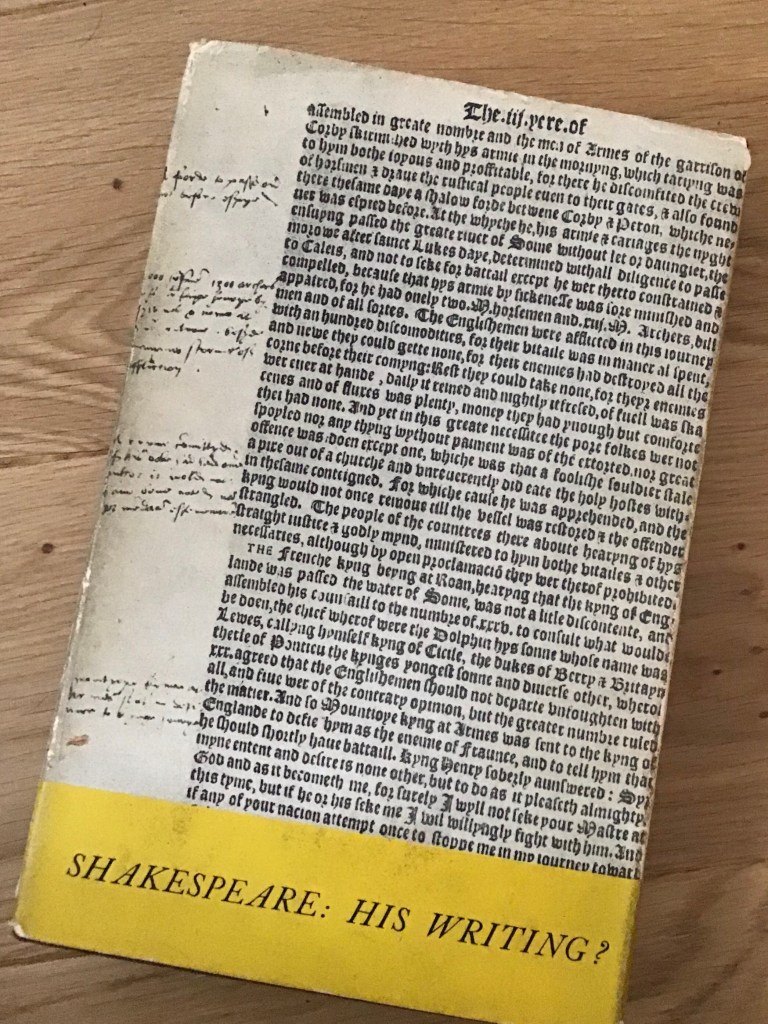
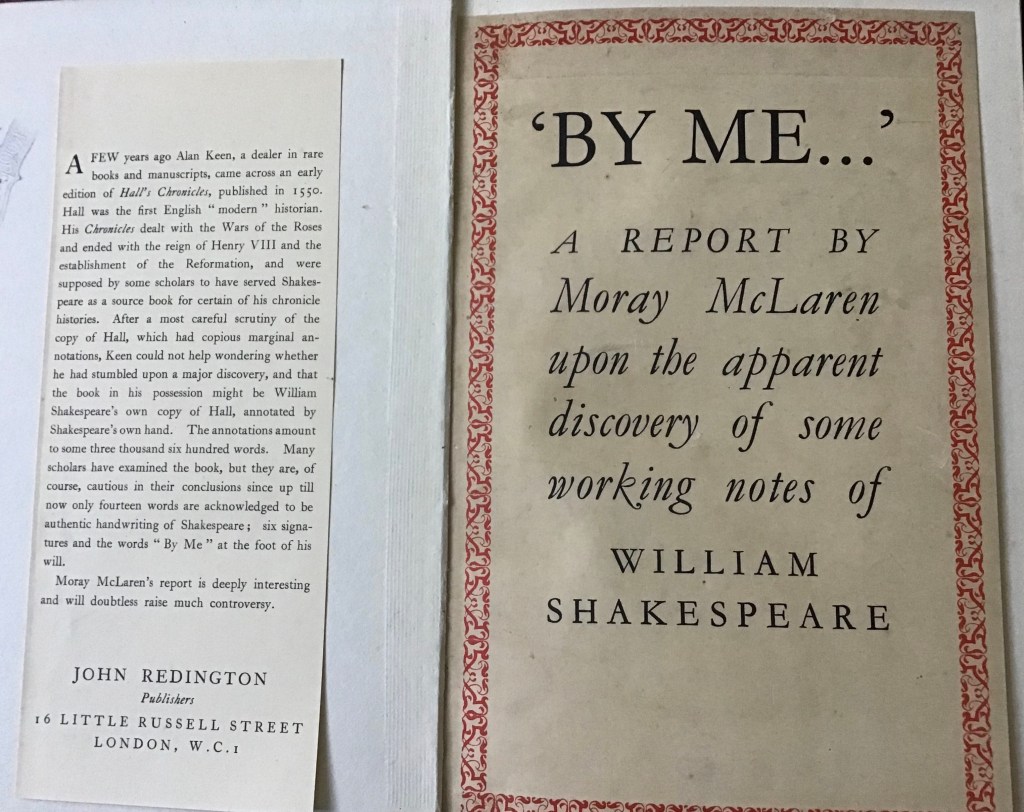
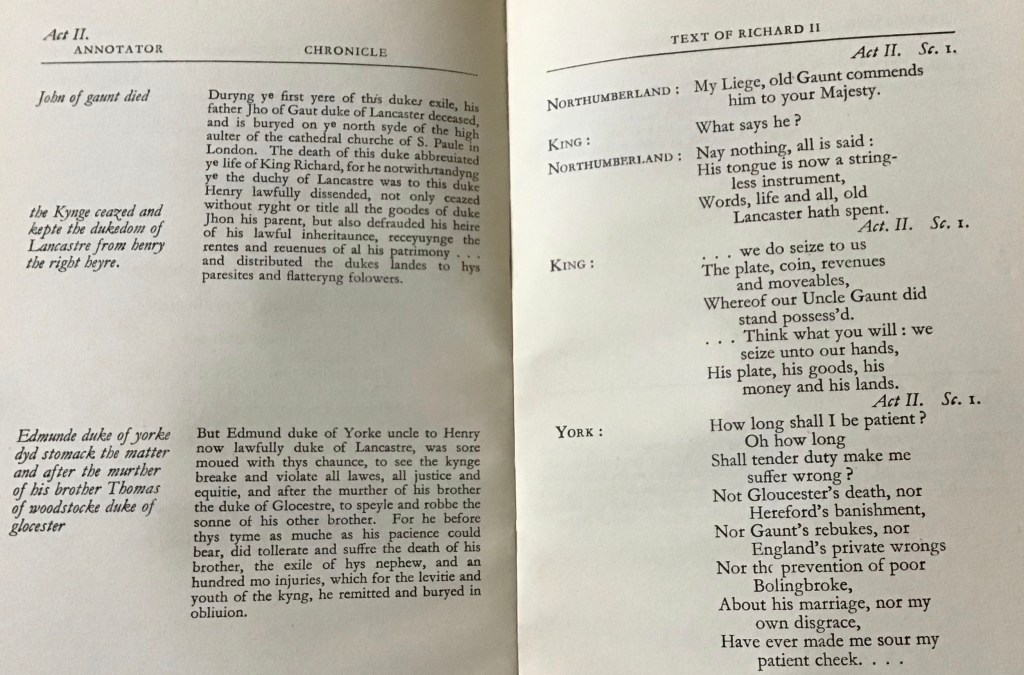
A few posts back I wrote about ‘The Annotator’ by Alan Keen and Roger Lubbock in which the authors explored the possibility that a set of annotations found on a copy of Hall’s Chronicle might be those of a young Shakespeare. In a handsome book published by John Redington in 1949, Moray McLaren picks up the story choosing to offer a detailed examination of the annotations themselves in the context of the text of Shakespeare’s ‘Richard II.’

The case will always be unproven but it is interesting to see the possible relations between Shakespeare’s texts and possible sources. McLaren discusses in the first part of the book the idea that the relationship that we have with Shakespeare is in part defined by the lack of knowledge of his life – “his own possibly deliberate reticence about himself” as McLaren speculates.

Viper’s Bugloss

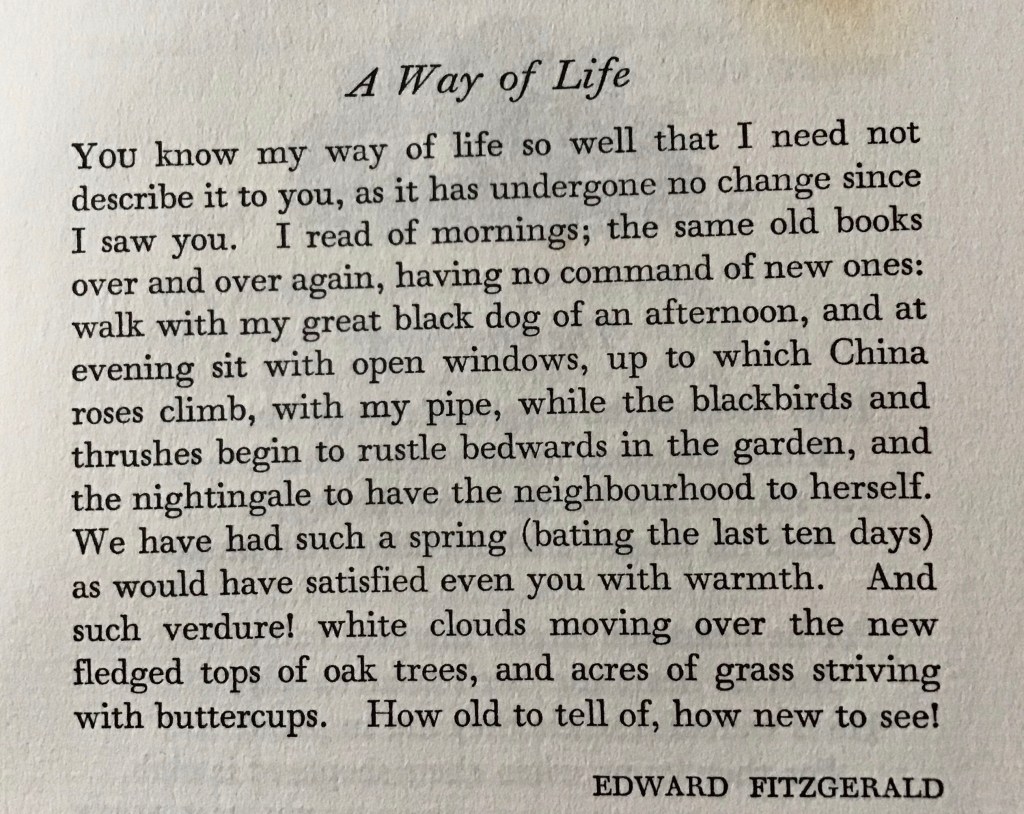
One of the pieces I very much enjoyed in ‘A Country Zodiac’ is an extract written by Nicolas Culpeper. The seventeenth century herbalist and botanist describes in great detail the Viper’s Bugloss seen in the photograph above.

It is a vivid description and I like it very much. I like to think of it as ‘a most gallant herb of the Sun’ as I go past the plant each day.

Perfect for July

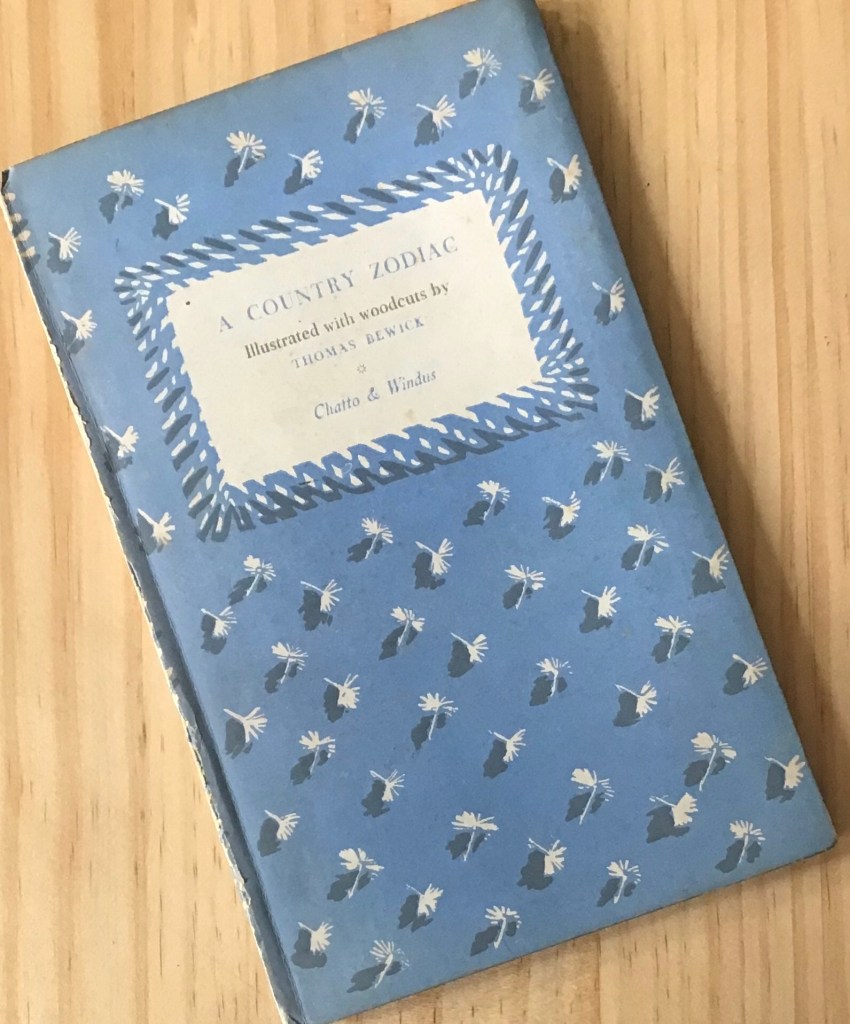
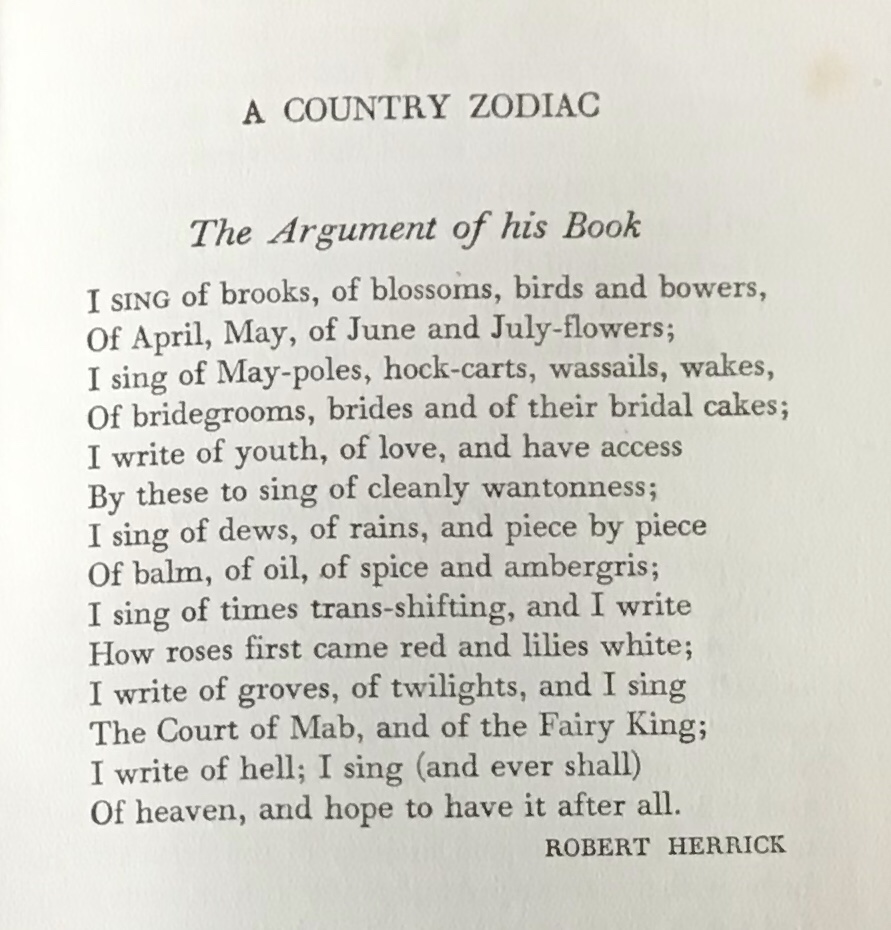
Sometimes a thing seems nothing spectacular but turns out to be just perfect. This delicate, slim volume – it’s only 54 pages – was published by Chatto & Windus in 1942. Inside it’s a through the year anthology of some of the most beautiful pieces of poetry and prose written about the countryside and the land.

At the beginning of July it seems reassuring to be reminded of the eternal variety of the natural world and how much more must that have been the case in 1942. Plus there’s the Bewick woodcuts, tiny but extraordinarily beautiful.

Building a case.

This was a Shakespeare story I wasn’t at all familiar with. ‘The Annotator’, published in 1954, was the culmination of more that a decade of research by the author Alan Keen. In 1940 Keen, an antiquarian book dealer, found a copy of Edward Halle’s The Union of the Noble and Illustre Famelies of Lancaster and York’ in unexceptional condition but with extensive margin notes in what was subsequently shown to be a sixteenth century hand. Keen came to believe for a variety of reasons that the margin notes were the work of the adolescent William Shakespeare.

If he was right we seem to see the young Shakespeare gathering vivid moments for subsequent dramatic use. The argument jumps, of course, from possibility to almost certainty but, right or wrong, it’s hard not to envy him not so much for the discovery but the subsequent decade of exploration and piecing together.

The historical detection is the interest of the read with the author building a rich construct of context for a possible version of Shakespeare’s adolescent years though the truth remains impossible to know.

A last little book….

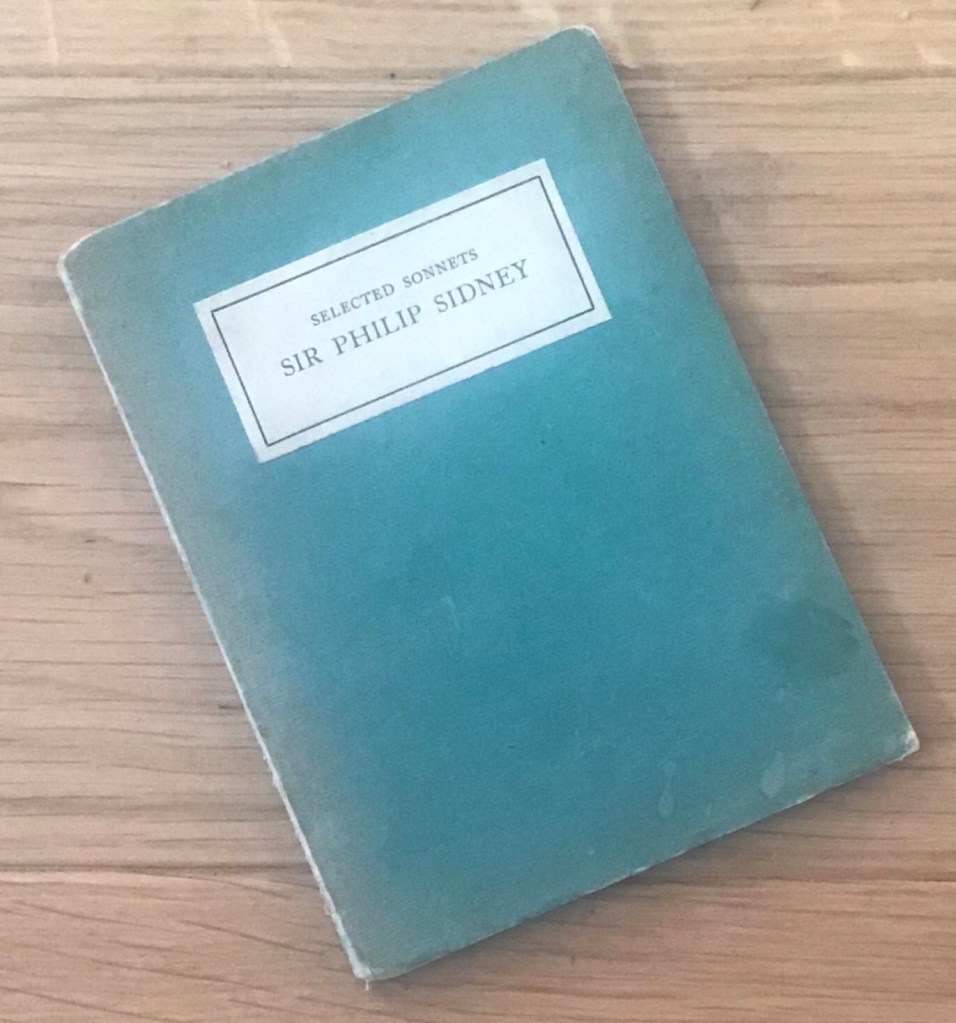
This is a beautiful little book – it’s about the size of a passport – and immensely slim. It’s no thicker than a coin. It’s another great book to carry and read on the train.

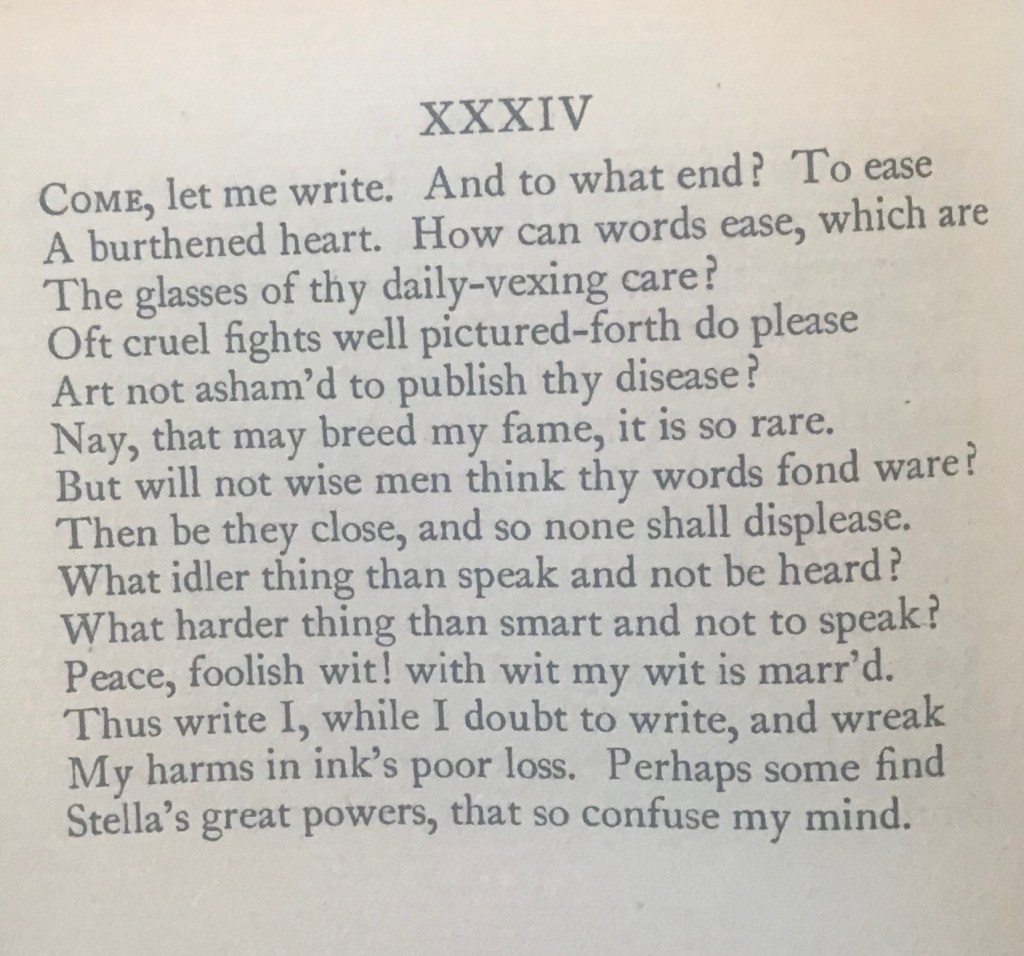
This selection of Sidney’s sonnets from ‘Astrophel and Stella’ are especially beautiful and there’s much to be said for writing to ease a burdened mind. They seem especially poignant because of the extreme shortness of Sidney’s life, born in 1554 and dead in battle in 1586.

Tiny

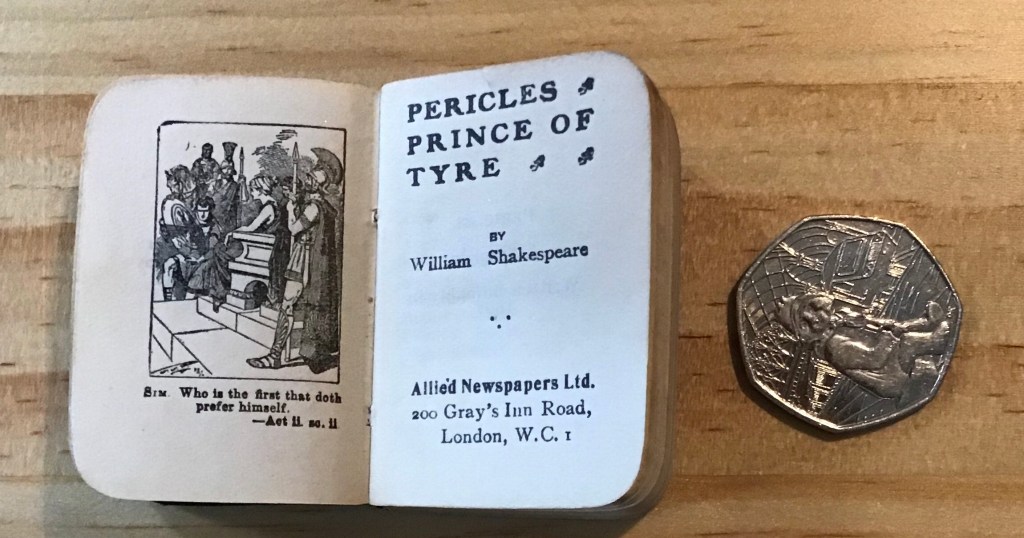
Back to the satisfaction of small things. I always carry this around. Although it is a complete text of the play it is really very small to read so it’s more of a talisman than anything else. But I do find it reassuring and that’s partly because it is ‘Pericles’. When I was young I tended to dismiss the late plays struggling with the sheer improbability of the plots. Now I find them of immense consolation with their miracles of restoration and redemption. Two productions of ‘Pericles’ have marked me greatly so this is a happy reminder.

More Miltonic titles…

Two last books with titles taken from the works of John Milton. I’m confident the first one is a Miltonic quote, the second less so. The first of the two is ‘In Dubious Battle’ by John Steinbeck, a dark, hard read for oppressive times. Written by Steinbeck in 1936 the novel tells a bitter and brutal story of two labour union organisers who attempt to intervene to organise and support striking fruit-pickers in California.

The title, which seemed to me, to be exceptionally apt for the novel is from ‘Paradise Lost’. Satan expresses his own account of his rebellion, “me preferring, His utmost power with adverse power opposed In dubious battle on the plains of Heaven And shook his throne.”

I did pause to reflect, because I did feel that the title was so suitable for the novel, how deep an association an author means the reader to make between the title and the text.

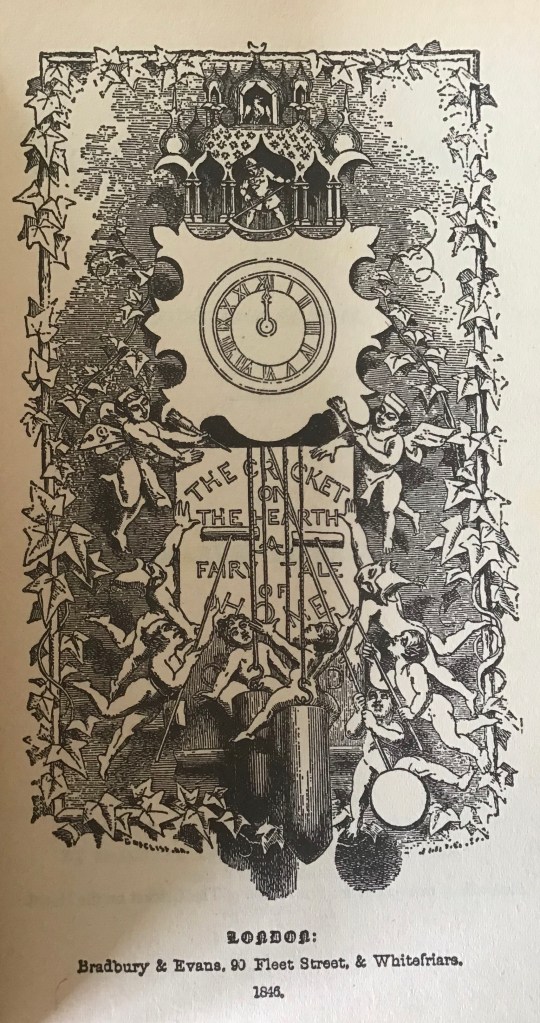
The other title was ‘The Cricket on the Hearth’ by Charles Dickens. It gave me great pleasure to reread this over the last few days despite it being such an unseasonal read. The novel is one of the most successful Christmas books Dickens wrote and very charming it is. In his poem ‘Il Penseroso’ Milton writes the line ‘Save the cricket on the hearth.’ I don’t know if Dickens did derive his title from Milton but the cricket does have a symbolic role in the novel as the exemplification of the kindness of the domestic world.

Pocket books

This post is a small deviation from books with titles taken from Milton. It was the previous one of those reads ‘Eyeless in Gaza’ that prompted me to think about pocket books. Towards the end of the novel the central character Anthony Beavis takes a trip to Mexico with his former schoolntains, friend turned traveller Mark Staithes.

The expedition involves long periods travelling by mule and that’s where the pocket book comes in. Staithes, we are told, has a pocket Shakespeare, a copy of the Tragedies. Twice in their arduous trek we hear of Staithes reading it while travelling. First, he reads ‘Timon of Athens’ spurring the mule every time he turns a page. Subsequently, as they continue to climb higher and higher into the mountains, Mark reads the whole of ‘Hamlet’ and two acts of ‘Troilus and Cressida.’

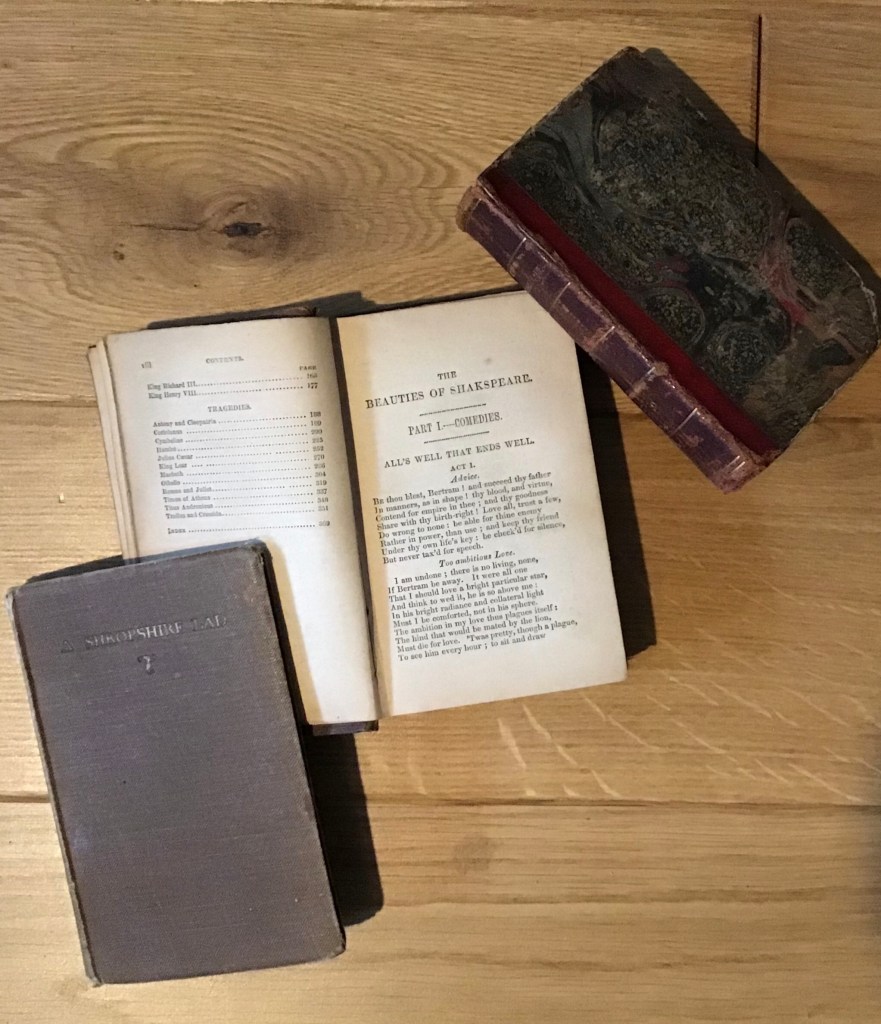
I was very pleased by these mentions because I like carrying a book all the time and I like pocket editions of anything very much. There’s a real attraction to the small. In the photograph are three of mine and I always carry one of these if I’m away from home. The Housman ‘A Shropshire Lad’ is small and slim and I’ve read it on numerous train journeys. My copy has a name inside and a 1941 date in pen so I always hope it’s owner got safely home too.

The other two are both Shakespeare. The smaller marbled book is volume nine of the Plays of Shakespeare in Miniature published in 1804 and contains ‘Titus Andronicus’ ‘Pericles’ ‘King Lear’ and ‘Othello.’ One the spine Shakespeare is spelled incorrectly without the first ‘e’. I wonder sometimes if this is an error or maybe usage was just less firm.

The open book is ‘The Beauties of Shakespeare’ by the Rev. William Dodd and my copy is from 1859. Dodd’s book is a fairly early anthology which gathers extracts from Shakespeare and groups them as Comedies, Historical Plays and then Tragedies and provides a wonderful and edifying index which helps the reader find suitable pieces on such as ‘ Study’, ‘Royalties, miseries of,’ Violets etc.

All great consolations.